The Grader
Shapes
Ten classic outlines, each with its own character — from the classic round brilliant to the romantic cushion and the dramatic marquise.
Diamonds come in many shapes. Shape is the outline — round, square, pear; cut is how the facets are arranged within it. At VHENY we like to pair each shape with a character, a quiet shorthand for the mood it carries.
-
Round
Classic
-
Princess
Trendy
-
Emerald
Glamour
-
Asscher
Vintage
-
Cushion
Romantic
-
Marquise
Dramatic
-
Oval
Innovative
-
Pear
Unique
-
Radiant
Diva
-
Heart
Sentimental
Round Brilliant
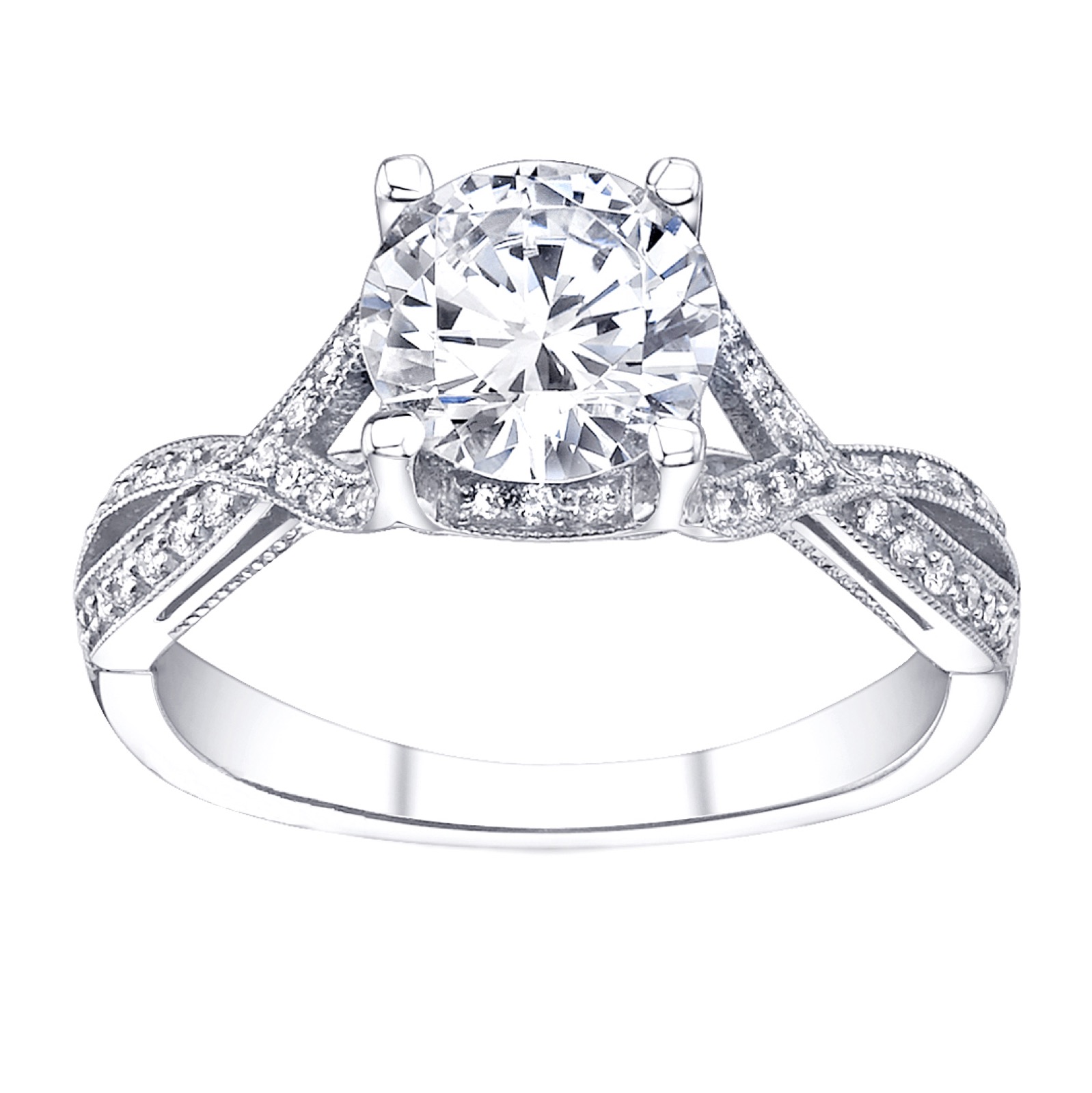
The classic beauty. Initially perfected by Marcel Tolkowsky in 1919 to maximise brilliance and fire through a 57-facet round, it represents the majority of diamonds on the market and hides nothing — its single C is Cut.
Princess
A trendy combination of brilliant and step cut, first appearing in the 1960s. Because a princess retains roughly 80% of the rough (against about 50% for a round brilliant), you can have a larger stone for the money — its C is Carat. Protect the four pointed corners when setting.
Emerald
A glamorous step cut with elongated, sophisticated lines. Originally designed for emeralds, its long open facets give a deep view into the stone — so it asks for high Clarity.
Asscher
The “square emerald”, created in 1902 by the Asscher Brothers in Holland. Its open lines plunge into the diamond, a vintage look beloved in the 1920s and again today — Cut, Clarity and Colour all show.
Cushion
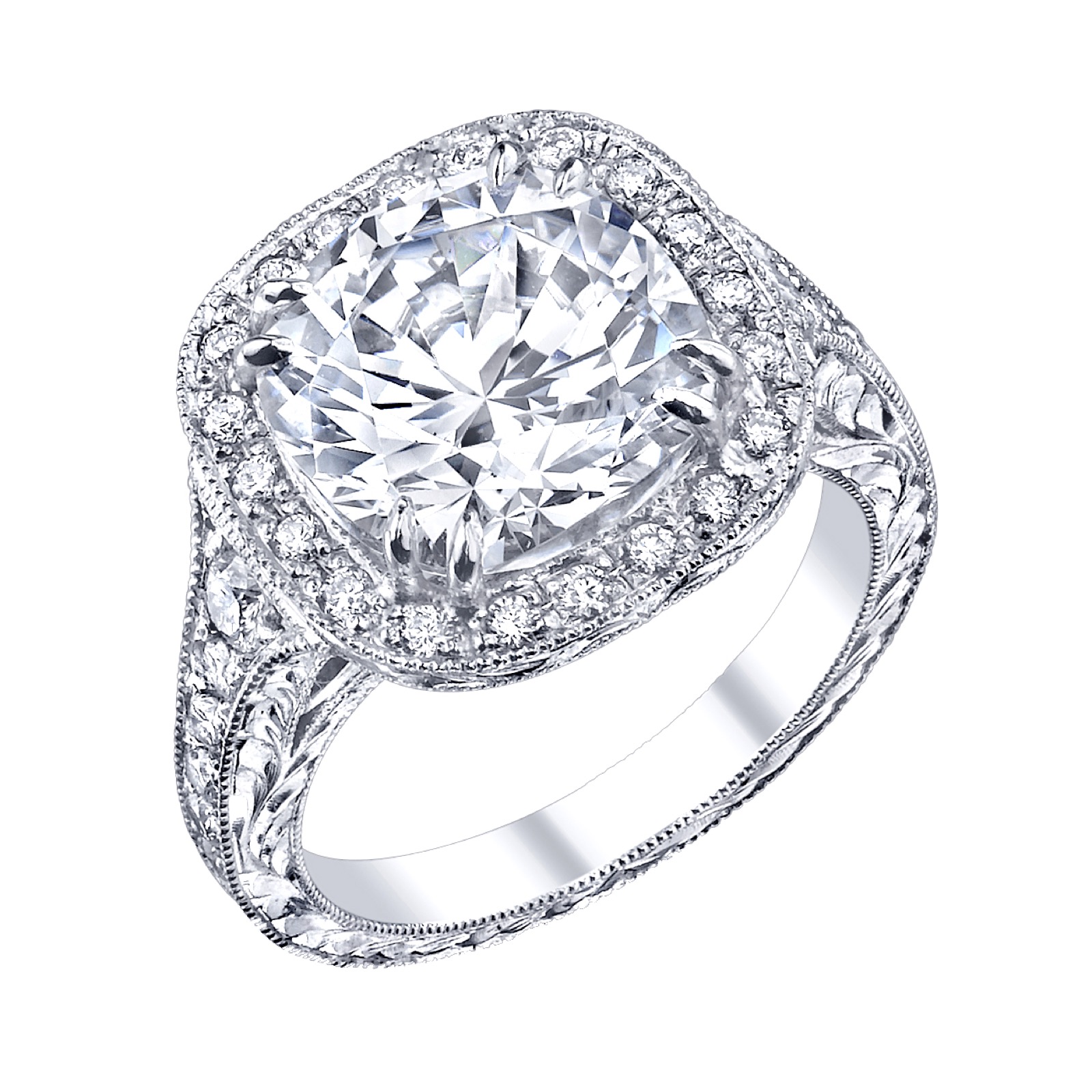
Classic and romantic, lying between the antique Old Mine cut and the oval. Its large open facets are part of its beauty — and reveal inclusions — so Clarity matters.
Marquise
Dramatic, and full of legend: said to be cut on the order of Louis XV to echo the smile of the Marquise de Pompadour. As a modified brilliant, its fire depends on precise proportions and symmetry — its C is Cut.
Oval
An innovative, creative reading of the brilliant with fire and modern lines. Like all modified brilliants, its life depends on the precision of the Cut.
Pear
Or pendeloque — its lineage traces to 1475 and the first polishing wheel, the Scaif. A unique, versatile shape; an imprecise cut can leave a bow-tie shadow across the table, so watch the Cut.
Radiant
Introduced in 1977 by Henry Grossbard, a fiery marriage of the emerald step cut and the round brilliant, with 70 facets and cropped corners. A real diva — and, being uncommon, often advantageous per carat.
Heart
The ultimate symbol of sentiment. Not a traditional cut; always check the proportions, as a heart that is too fat or too elongated quickly loses its charm.
Related reading