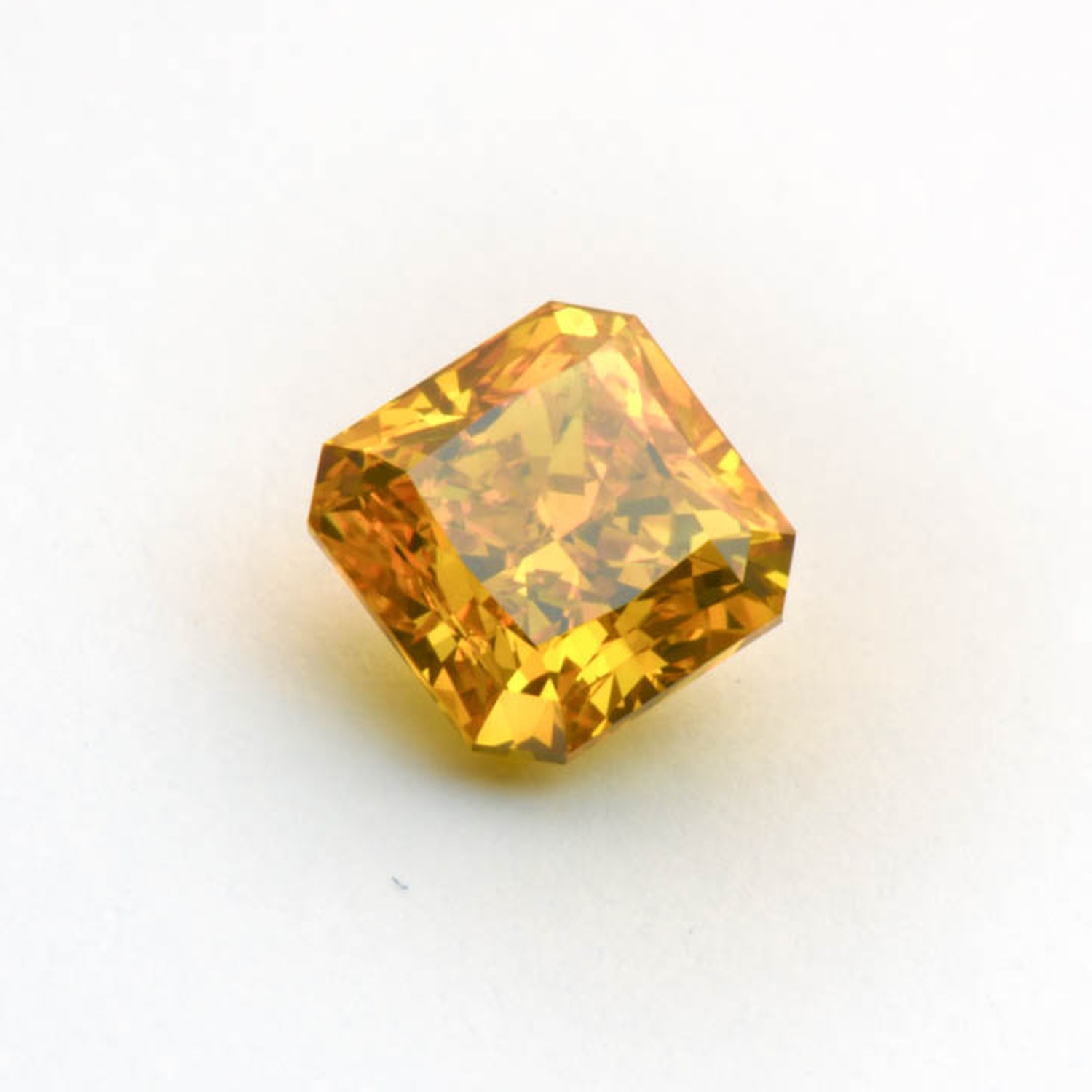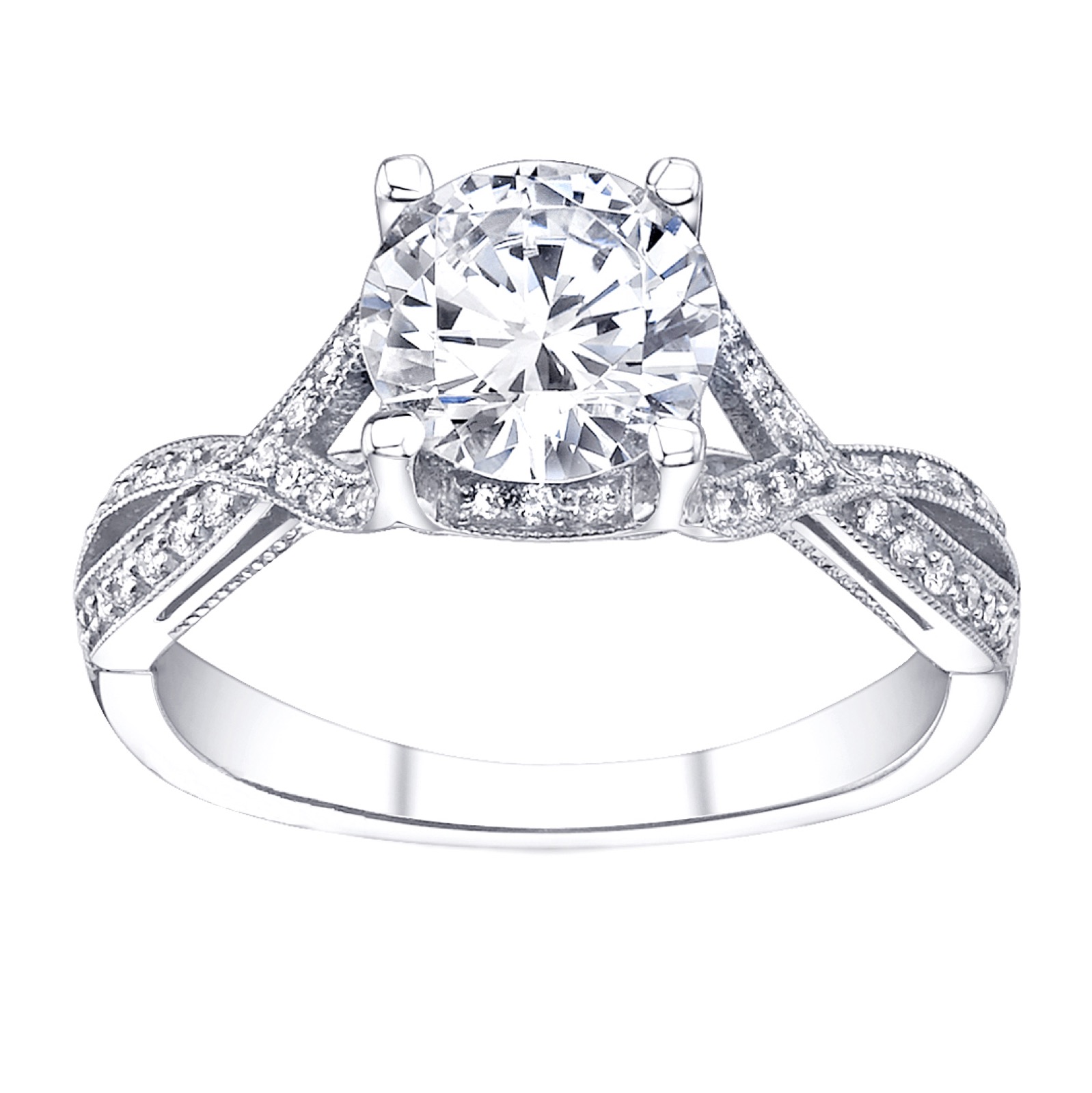
The Grader
Diamond Grading
An introduction to evaluating a diamond — the trained eye, the discipline it asks for, and the four characteristics that decide a stone's worth.
This introduction to diamond grading is meant to help you understand the basics of evaluating a diamond. Grading is not a single measurement but a disciplined reading of a stone — part science, part trained perception — and the foundation of everything else in this guide.
The grader’s eye
Grading rewards temperament as much as knowledge. The qualities that make a good diamond grader are quiet ones:
- A good, rested eyesight and the patience to use it slowly
- Objectivity — reading the stone, not the hope you have for it
- Integrity, and a strong sense of responsibility toward buyer and seller alike
- Concentration, attentiveness and the stamina to keep all three steady across a long parcel
The four characteristics
Polished diamonds are graded on what the trade calls the 4Cs — Colour, Clarity, Cut and Carat. Terminology and classification systems are set by three major institutions — GIA (the Gemological Institute of America), IDC (the International Diamond Council) and CIBJO — each with its own rules. This guide works in GIA and IDC terms.
Each of the four influences a diamond’s beauty, and through it the price. None of them stands alone: a flawless stone with a careless cut will disappoint, and a modest grade carried by a superb cut can outshine it.
Why certify
Having a diamond certified by a gemological laboratory is the surest way of knowing what it is worth. If you are not yet fluent in stones, the safest course is to buy a certified diamond and, where you wish to be certain, contact the laboratory that graded it to confirm the report. The most respected schools and laboratories — GIA and HRD, the Antwerp Institute of Gemology — both let you verify a certificate online.
Related reading