
Grading
Diamond Grading
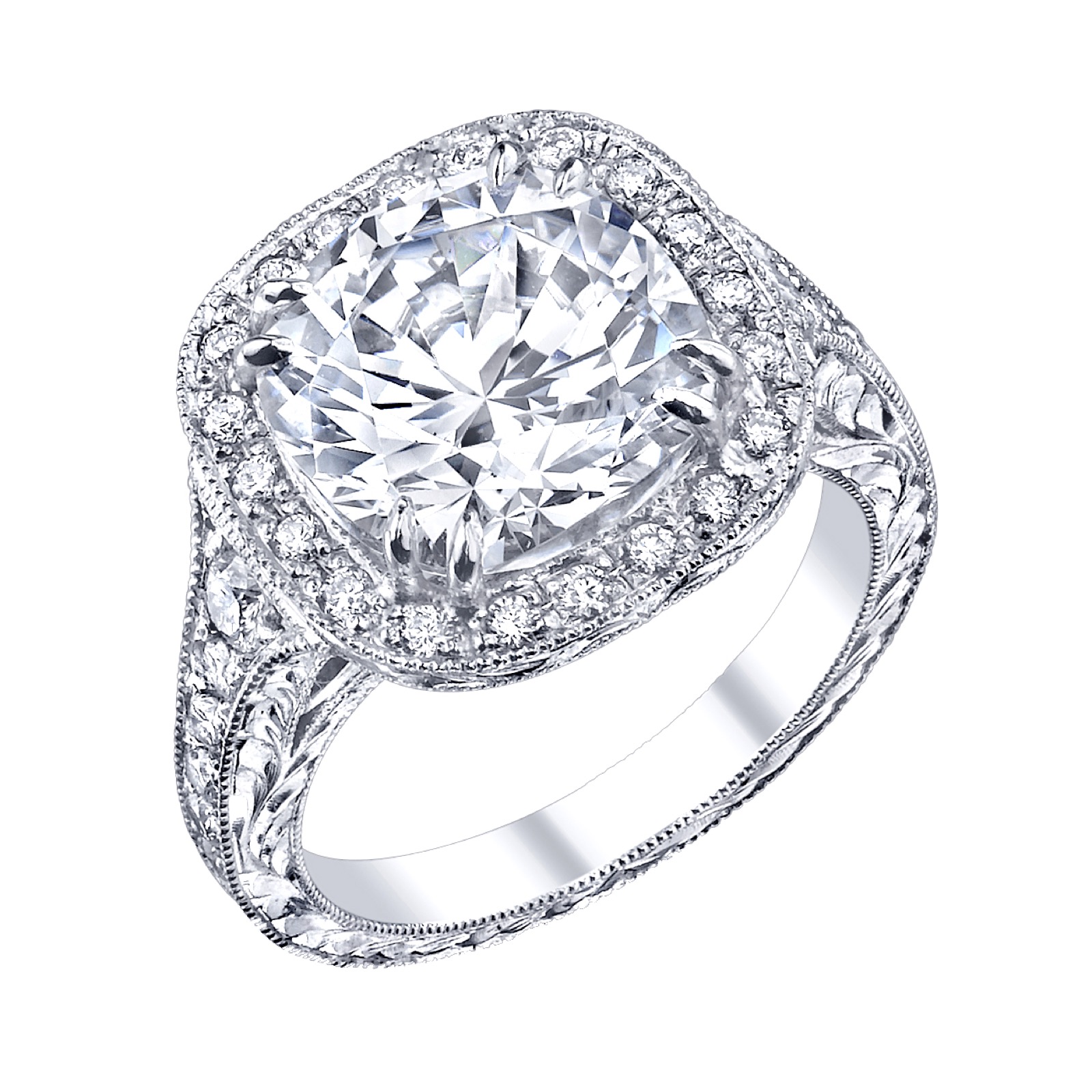
An introduction to evaluating a diamond — the trained eye, the discipline it asks for, and the four characteristics that decide a stone's worth.
The Grader
Everything needed to begin evaluating a diamond — the 4Cs, the scales behind a grade, the equipment and the trained eye that reads them.
Grading
An introduction to evaluating a diamond — the trained eye, the discipline it asks for, and the four characteristics that decide a stone's worth.
Grading
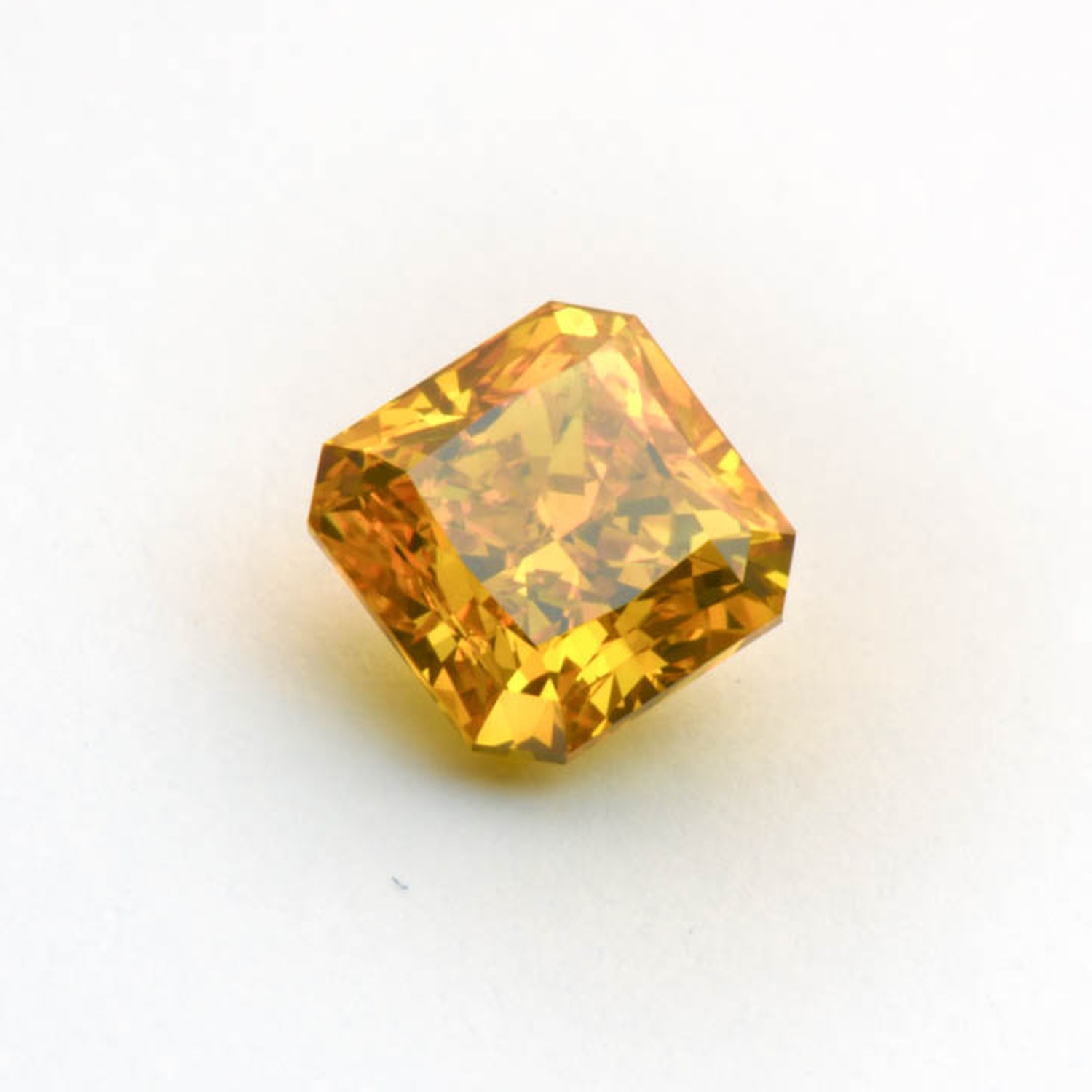
Colour, Clarity, Cut and Carat — and the atomic story beneath them, where nitrogen and boron decide what a diamond can be.
Grading
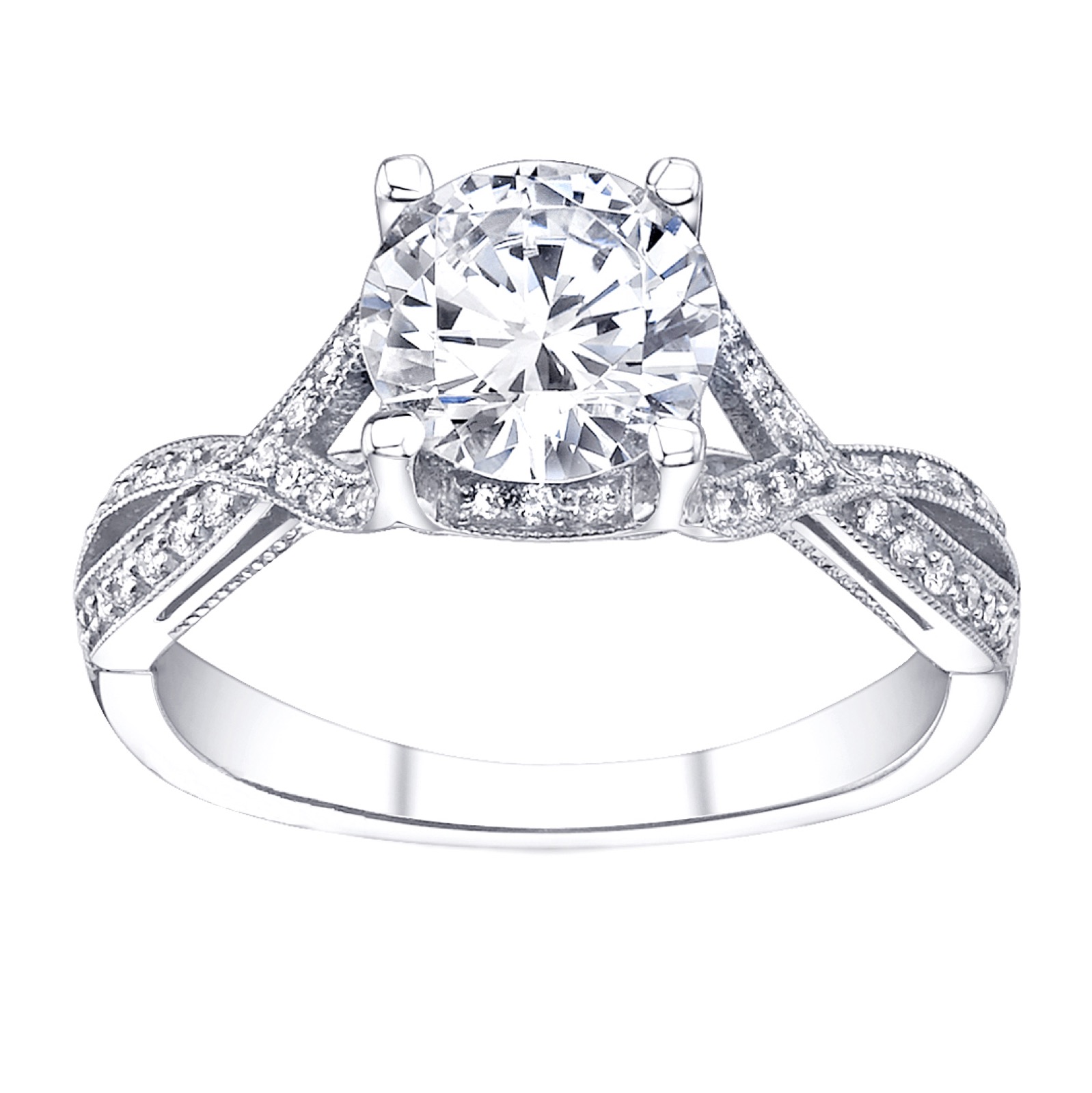
The only C made by hand — and the one that decides whether a diamond truly comes alive. Proportion, symmetry and polish, and the light they set free.
Grading
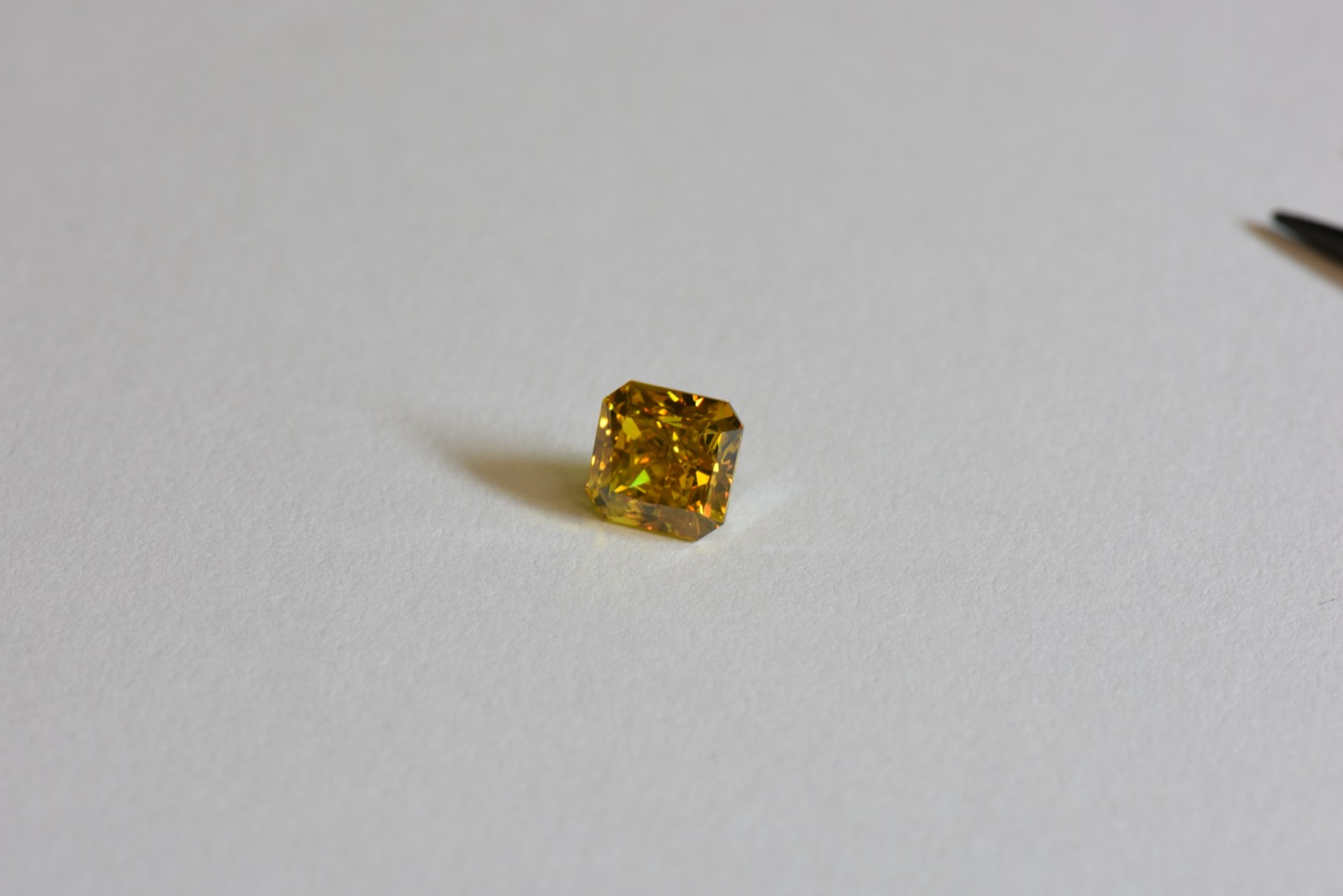
Why the rarest white diamonds are the most colourless of all — and how the D-to-Z scale reads the faint warmth most stones carry.
Grading
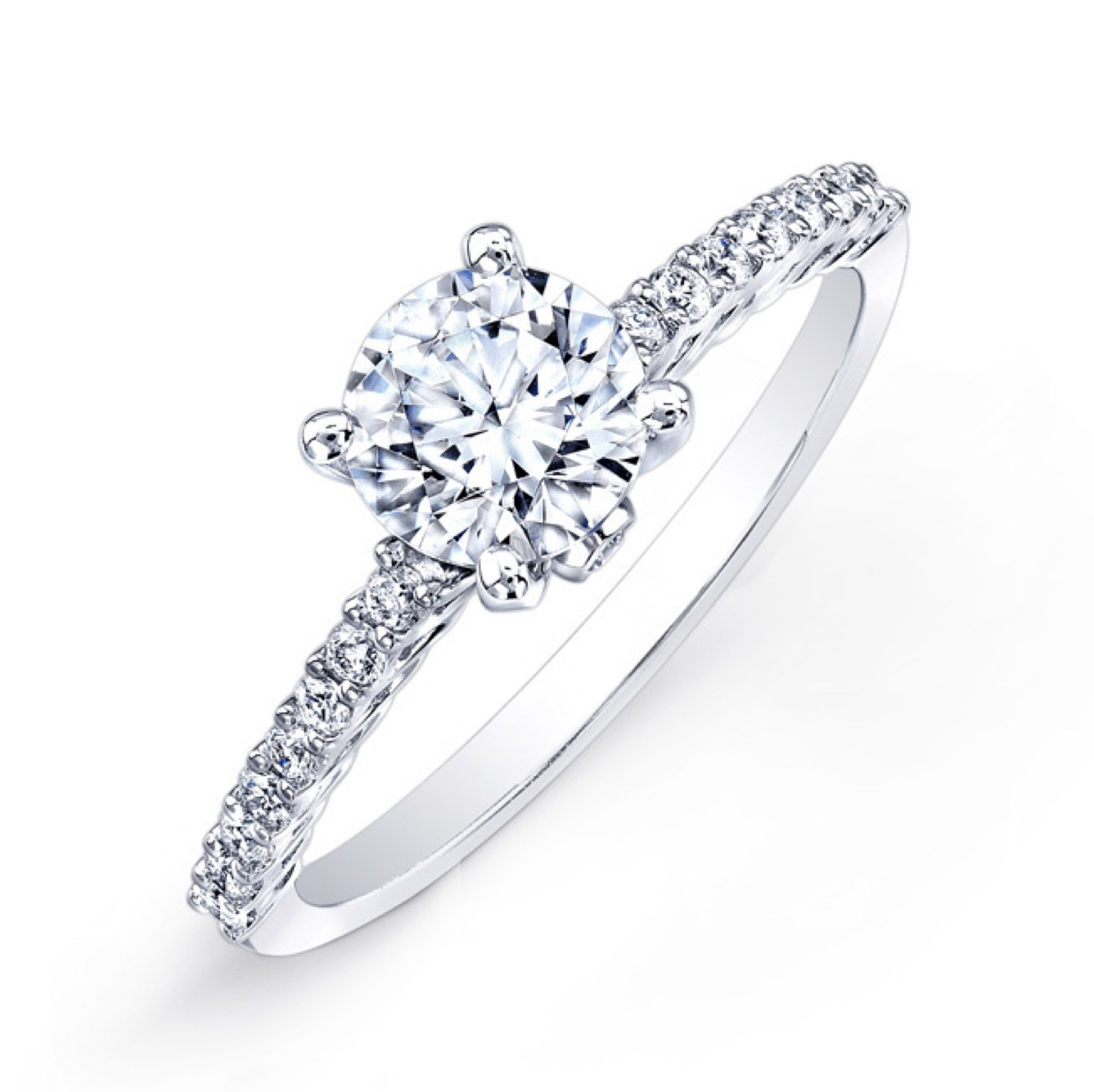
Most diamonds look flawless to the naked eye. Under the loupe, they tell the story of how they grew — read on a scale from Flawless to Included.
Grading
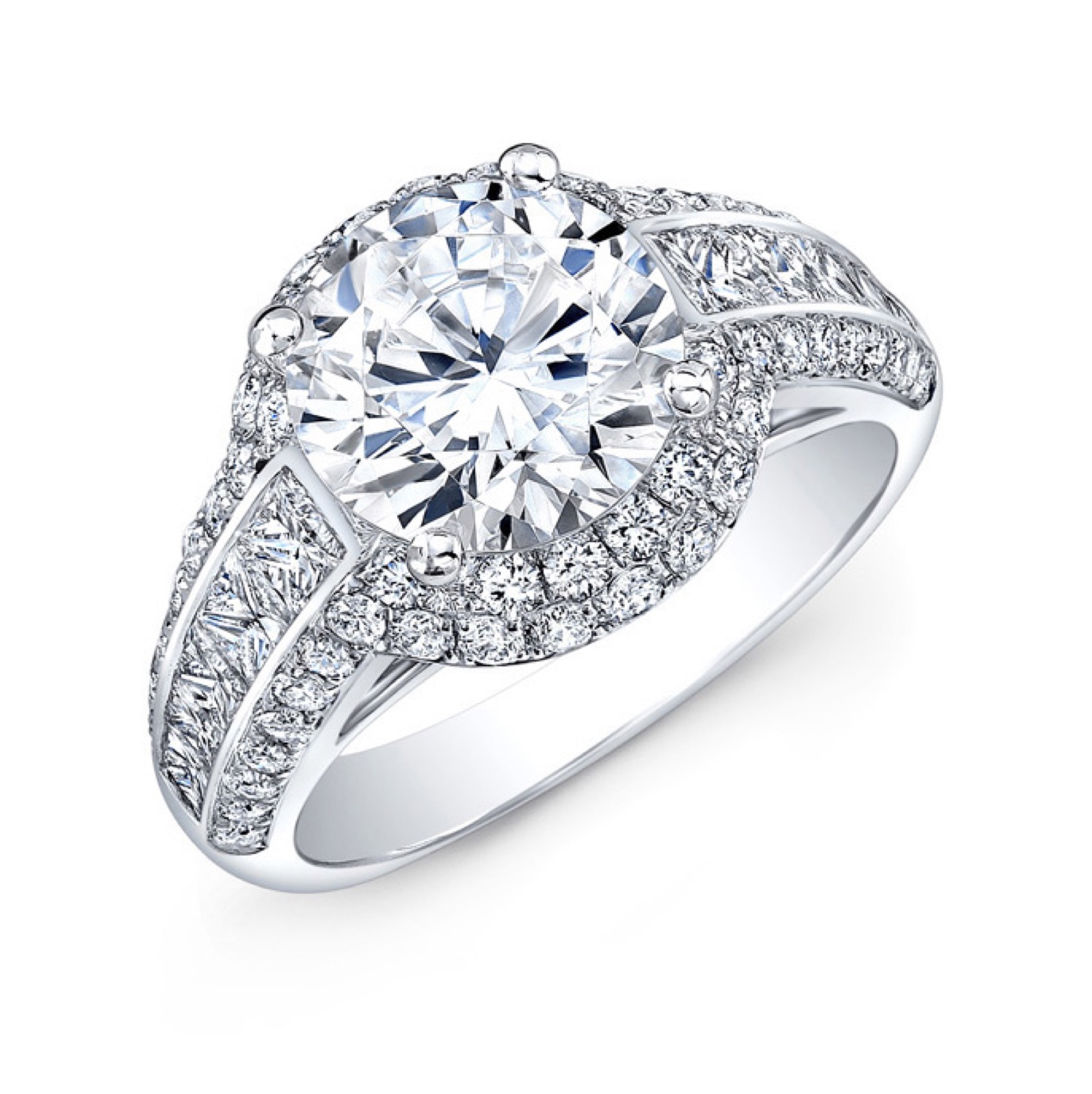
Carat measures weight, not size — and weight, more than any other C, drives price. Where the unit comes from, and the formula that catches an imitation.
Grading
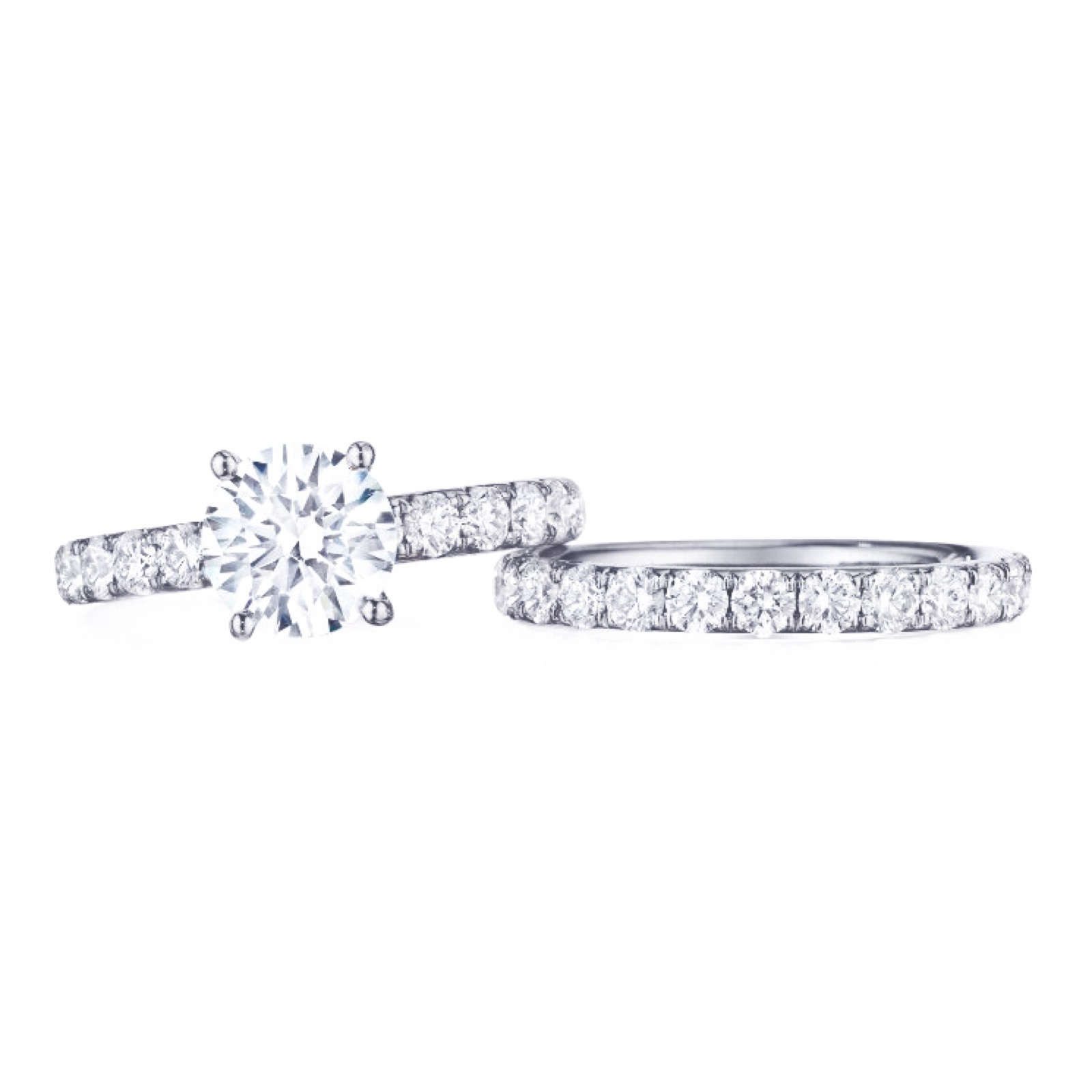
The soft glow some diamonds give under ultraviolet light — sometimes a flaw, sometimes a quiet favour to a tinted stone.
Grading
Ten classic outlines, each with its own character — from the classic round brilliant to the romantic cushion and the dramatic marquise.
Grading
Table, crown, girdle, pavilion, culet — the vocabulary of a polished diamond, and the parts a grade is built from.
Grading
The finish behind the cut — the proportion ranges that separate an excellent stone from an average one, set out grade by grade.
ReadGrading
The grader's bench — the loupe, the lamp, the balances and the comparison set that turn perception into a repeatable reading.
ReadGrading
Where graders are trained and stones are certified — GIA and HRD, and why a laboratory report is the surest way to know a diamond's worth.
Read