The Grader
Colour
Why the rarest white diamonds are the most colourless of all — and how the D-to-Z scale reads the faint warmth most stones carry.
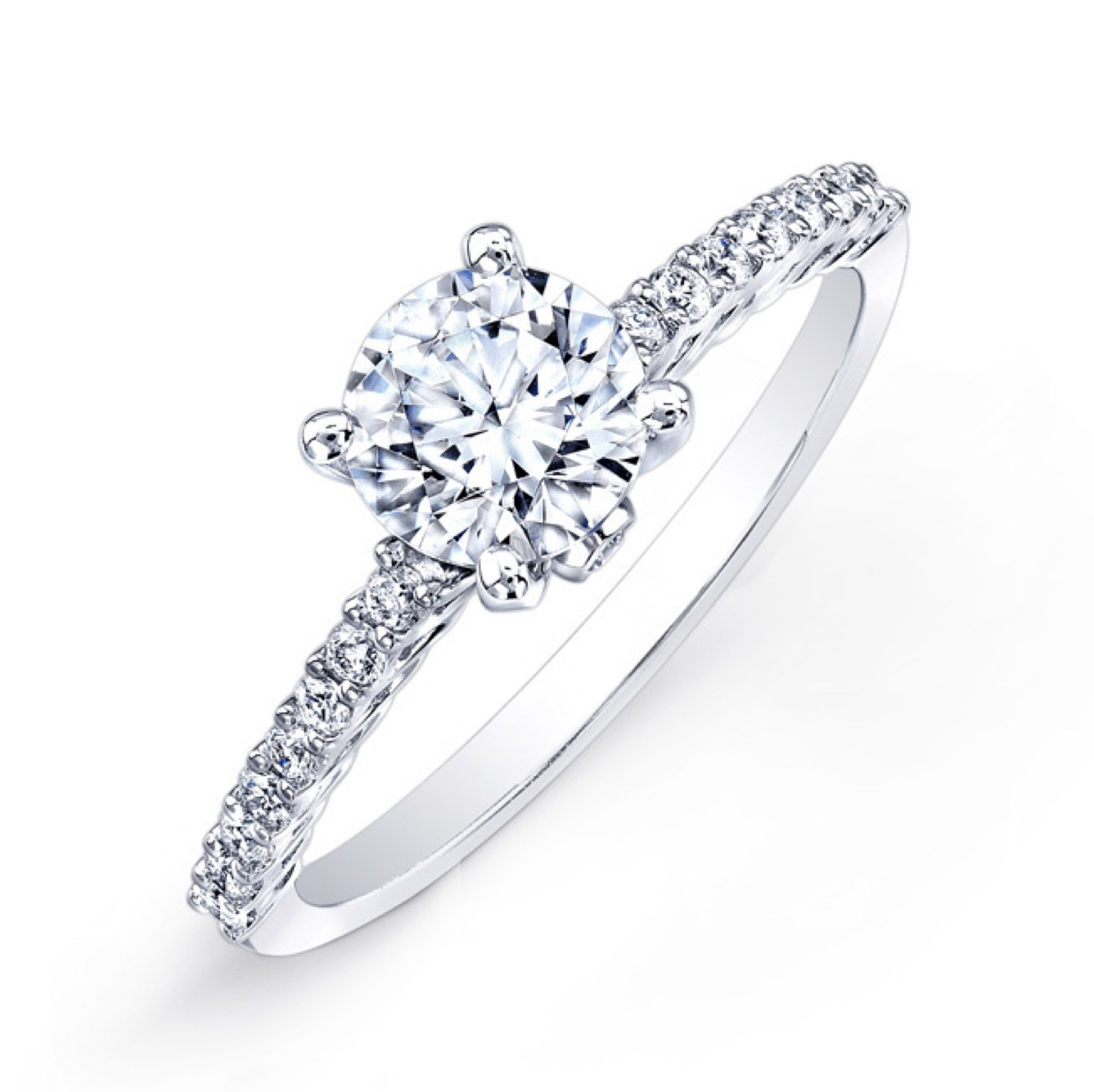
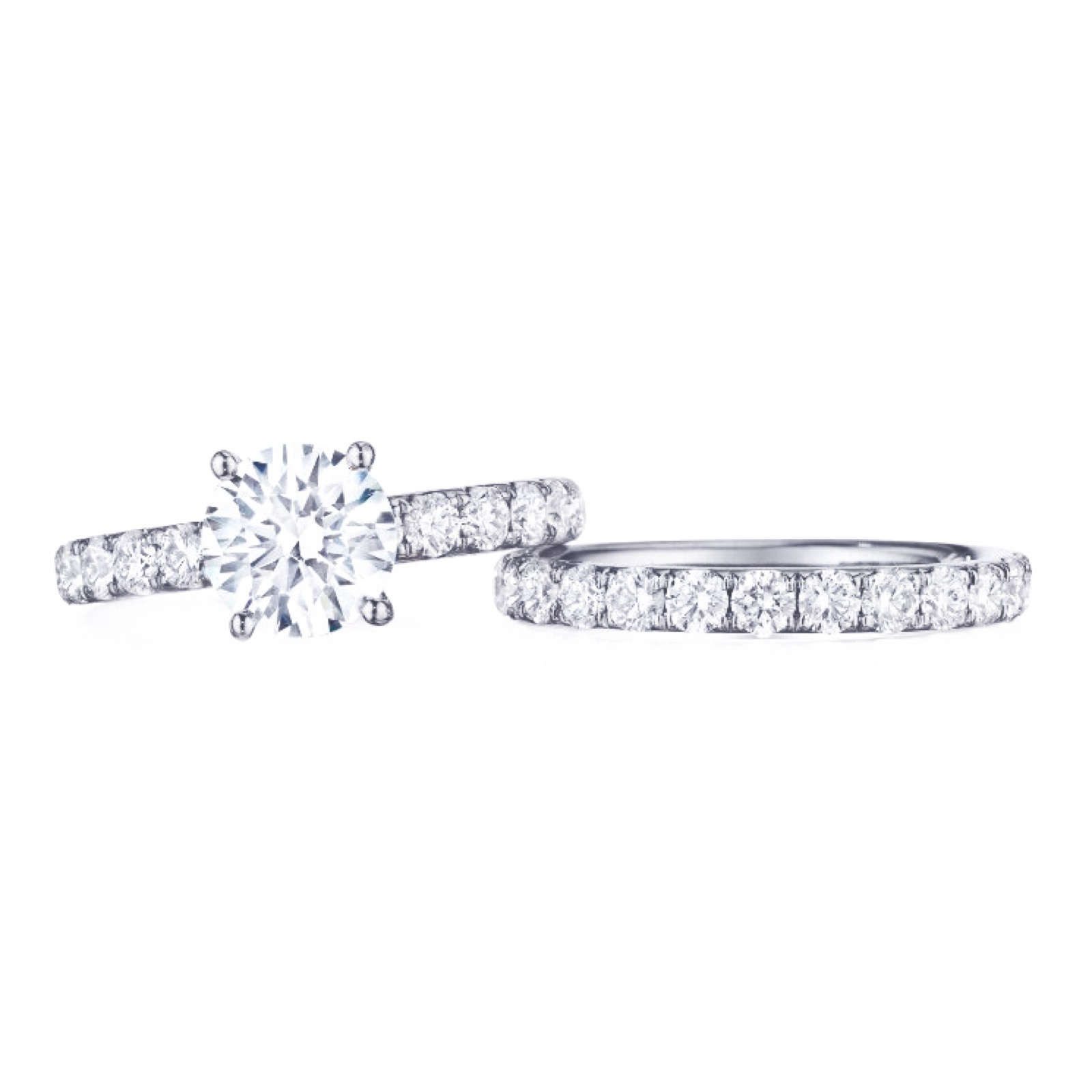
Typically diamonds are transparent with barely perceptible hints of colour. With the exception of fancy-coloured diamonds — where colour is the prize — the rarest diamonds are the most colourless. Grades run from D to Z, D being the rarest of all.
Ideally a diamond is pure carbon, but during its formation other elements often work their way into the atomic lattice and tint the crystal. The most common visitor is nitrogen, which lends the faint yellow warmth the scale measures. A colourless diamond is valued above a tinted one.
Reading the scale
| Grade | GIA category | Old-world name |
|---|---|---|
| D – F | Colourless | Exceptional white · Rare white |
| G – J | Near colourless | Fine white · Top crystal |
| K – M | Faint | Top cape · Crystal |
| N – R | Very light | Very light yellow |
| S – Z | Light | Light yellow |
Colourless (D–F). The top of the scale. D–F stones show virtually no colour and are valued accordingly; the difference between them is visible only to a trained grader against a comparison set.
Near colourless (G–J). Excellent value. Faint warmth exists but is hard to detect once the stone is set, especially in white-gold or platinum mounts.
Faint to light (K–Z). A warmth becomes perceptible, most often from nitrogen scattered through the lattice. Many buyers find a warm K beautiful in yellow gold, where the metal flatters the tint.
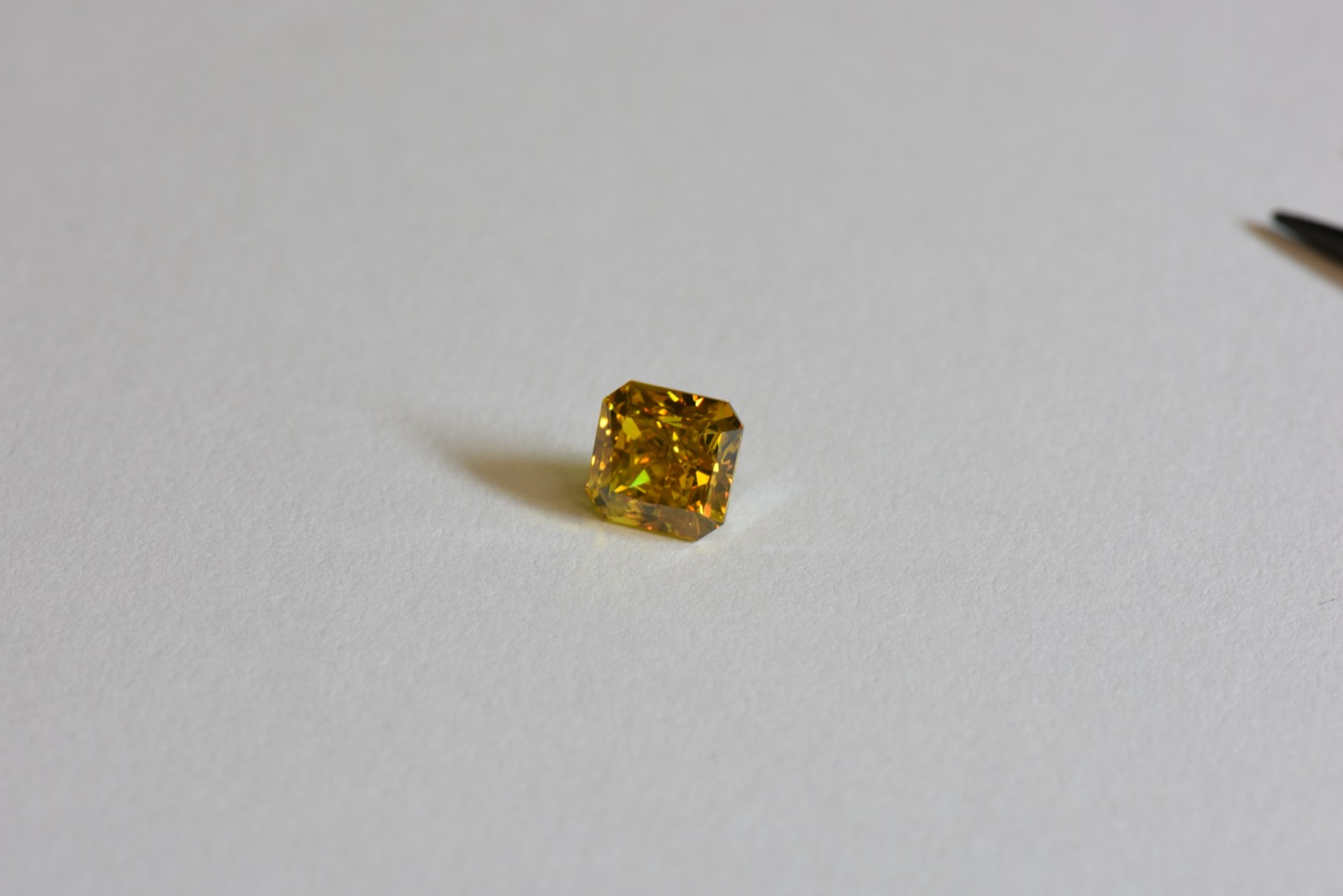
Beyond the bottom of the scale, the rules invert: when colour deepens past Z into a true, saturated hue, a diamond is no longer “tinted” but fancy-coloured — and among the rarest, most valuable stones on earth.
Related reading