The Polisher
The 10 Most Famous Cuts
Ten cuts that define the craft, from Tolkowsky's round brilliant to the romantic cushion.
Diamonds can be polished into whatever the mind can imagine, yet a small handful of cuts have come to define the craft. Each carries its own history and its own temperament — and, as a buyer, each asks you to weigh one of the 4Cs above the others. These are the ten.
Round Brilliant
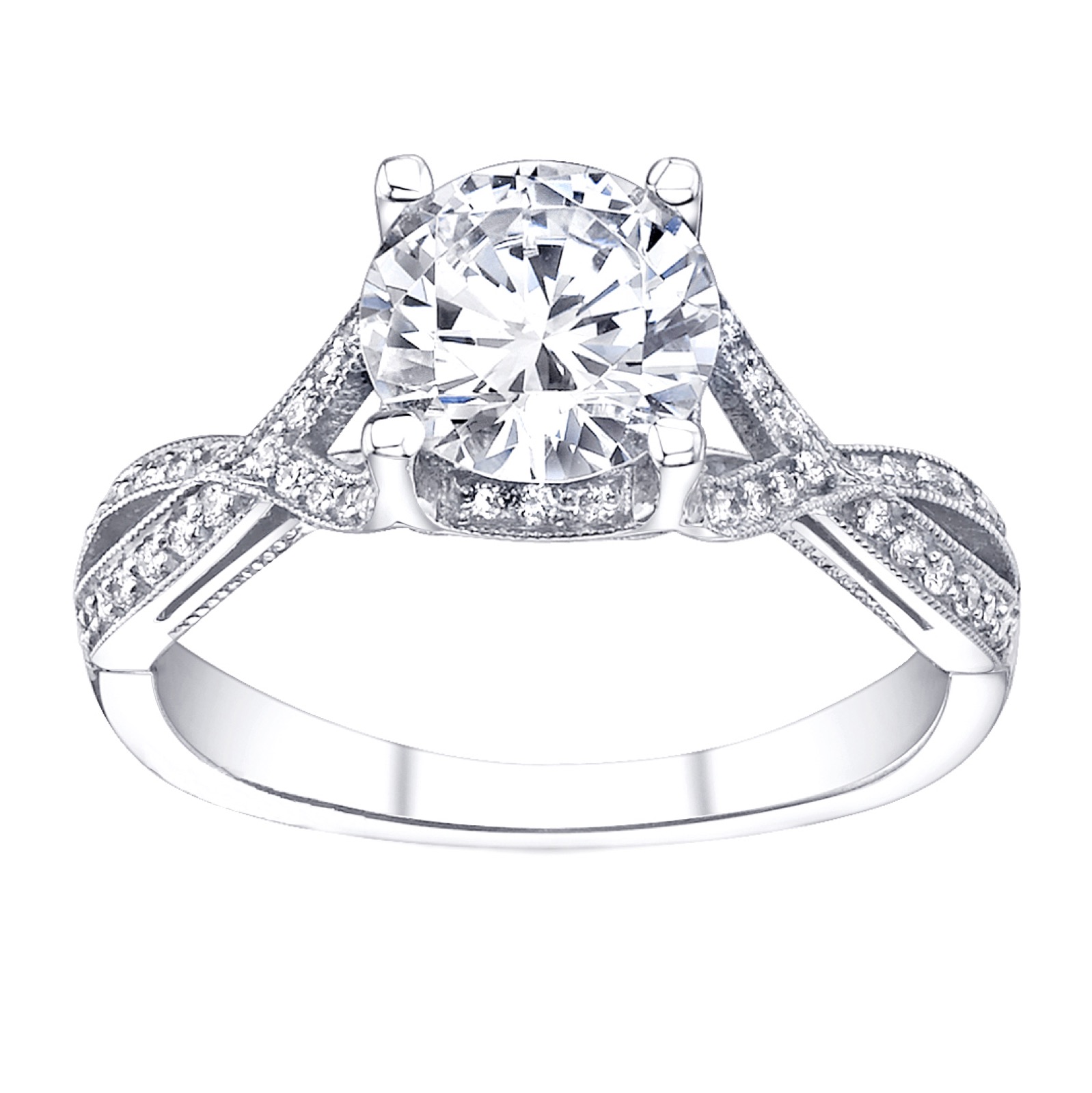
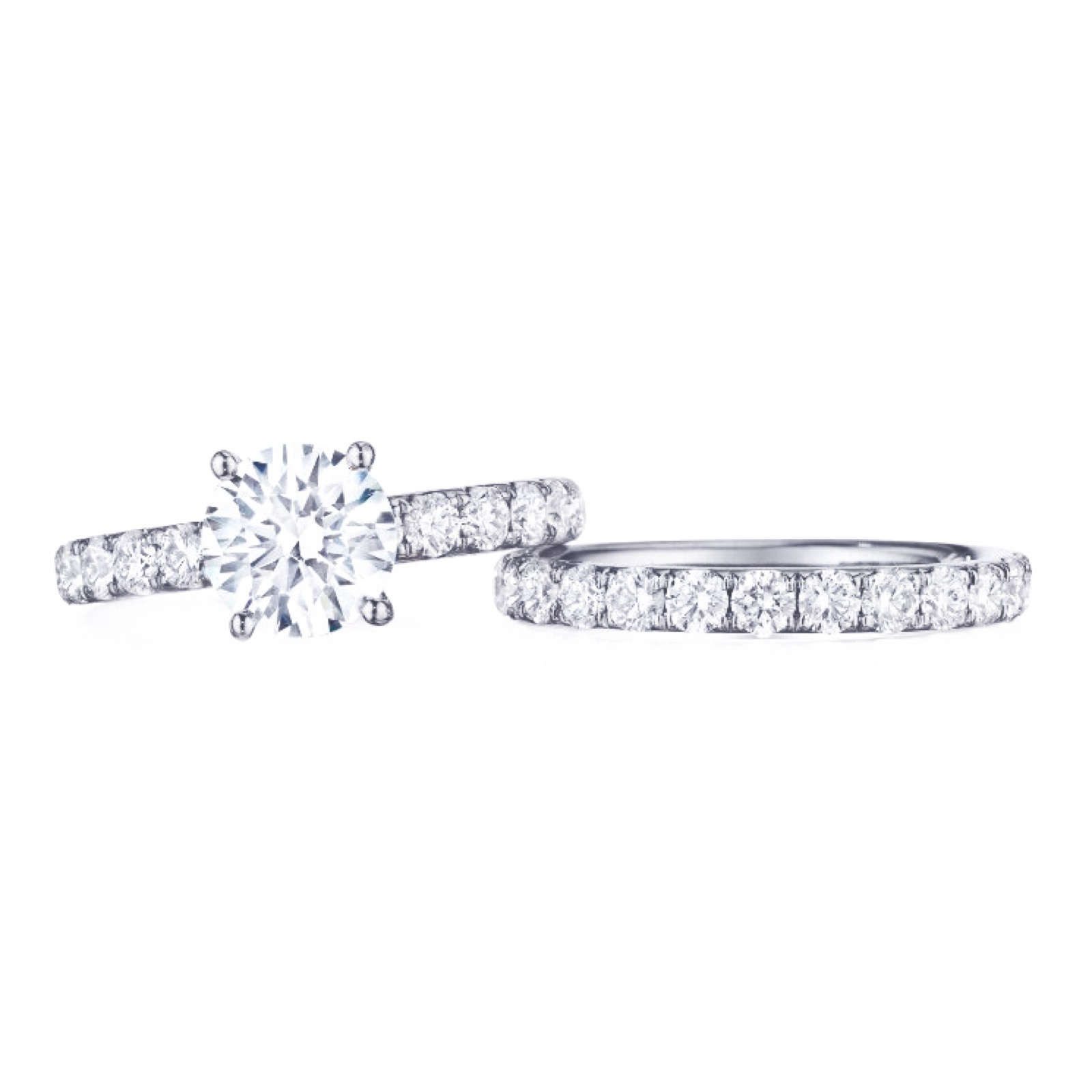
The classic beauty. Created by Marcel Tolkowsky in 1919 to maximise brilliance and fire through a revolutionary 57-facet round form, the round brilliant today accounts for some 75% of diamonds on the market. The C to watch is Cut: bringing the optimum fire out of a diamond was the result of decades of research — innumerable calculations of light refraction, dispersion and hardness — distilled into one precise geometry.
Princess
A trendy marriage of brilliant and step cut. Inspired by the Barion cut, the princess first appeared in the 1960s and quickly won a following for a fire to rival the round brilliant, set in strikingly modern lines. Here the C is Carat: because a princess retains roughly 80% of the rough (against about 50% for a round brilliant), you can have a larger stone for less. When setting one, protect the four pointed corners.
Emerald
A glamorous step cut of elongated, sophisticated lines — poised between traditional and modern, and a safe choice at an interesting price. Its C is Clarity: designed originally for emeralds, the cut’s long open lines invite a deep view into the stone, so it asks for a high clarity grade.
Asscher
The square emerald cut, created by the Asscher Brothers in Holland in 1902. Its open lines give a plunging view into the diamond; hugely fashionable in the 1920s, it is prized today as a vintage cut and has returned to favour in recent years. Built to be looked into, it asks for a minimum quality across Cut, Clarity and Colour.
Cushion
Classic and romantic, the cushion sits between the Old Mine cut and the oval, and its antique shape has captured a great deal of interest of late. Its C is Clarity: the large open facets that lend the cut so much of its beauty also leave any inclusions more readily visible.
Marquise (Navette)
A dramatic history. By legend the marquise was created at the order of Louis XIV for his mistress, the Marquise de Pompadour — the Sun King wishing the cut to echo the shape of her smile. A modified brilliant, its grand fire and brilliance rest on Cut: precise proportions, perfect symmetry and a careful finish.
Oval
An innovative, creative reading of the brilliant, with real fire and modern lines. Like every modified brilliant, its grand fire and brilliance come down to Cut — the precision and perfection of the work.
Pear (Pendeloque)
Its origin reaches back to 1475 and the Scaif, history’s first diamond-cutting and polishing wheel, which brought with it the idea of absolute symmetry in the placement of facets. Through later advances the pendeloque became the brilliant, fiery cut we know — a single shape loved for its versatility. The C is Cut: an imprecise one can leave a bow-tie effect, a dark shadow across the table, or uneven, high shoulders.
Radiant
Introduced by Henry Grossbard in 1977, the radiant is a fiery union of the emerald step cut and the round brilliant — 70 facets engineered for brilliance, finished with elegantly cropped corners. A genuine diva. Watch Cut and Carat: it can run squarer or more rectangular to taste, with no fixed rule, though a harmonious cut is essential — and as an uncommon shape, its price per carat can be very advantageous.
Heart
Hard to make anything more romantic. Not a traditional cut, but the ultimate symbol of sentiment. Its C is Cut: always verify the proportions, for a heart that reads too “fat” or too elongated will strongly affect the whole appearance.
Related reading