The Buyer
Rough Diamonds
Pricing the unpolished stone — ADTEC lists, the costs and risks discounted from the base, and the difficult art of buying parcels.
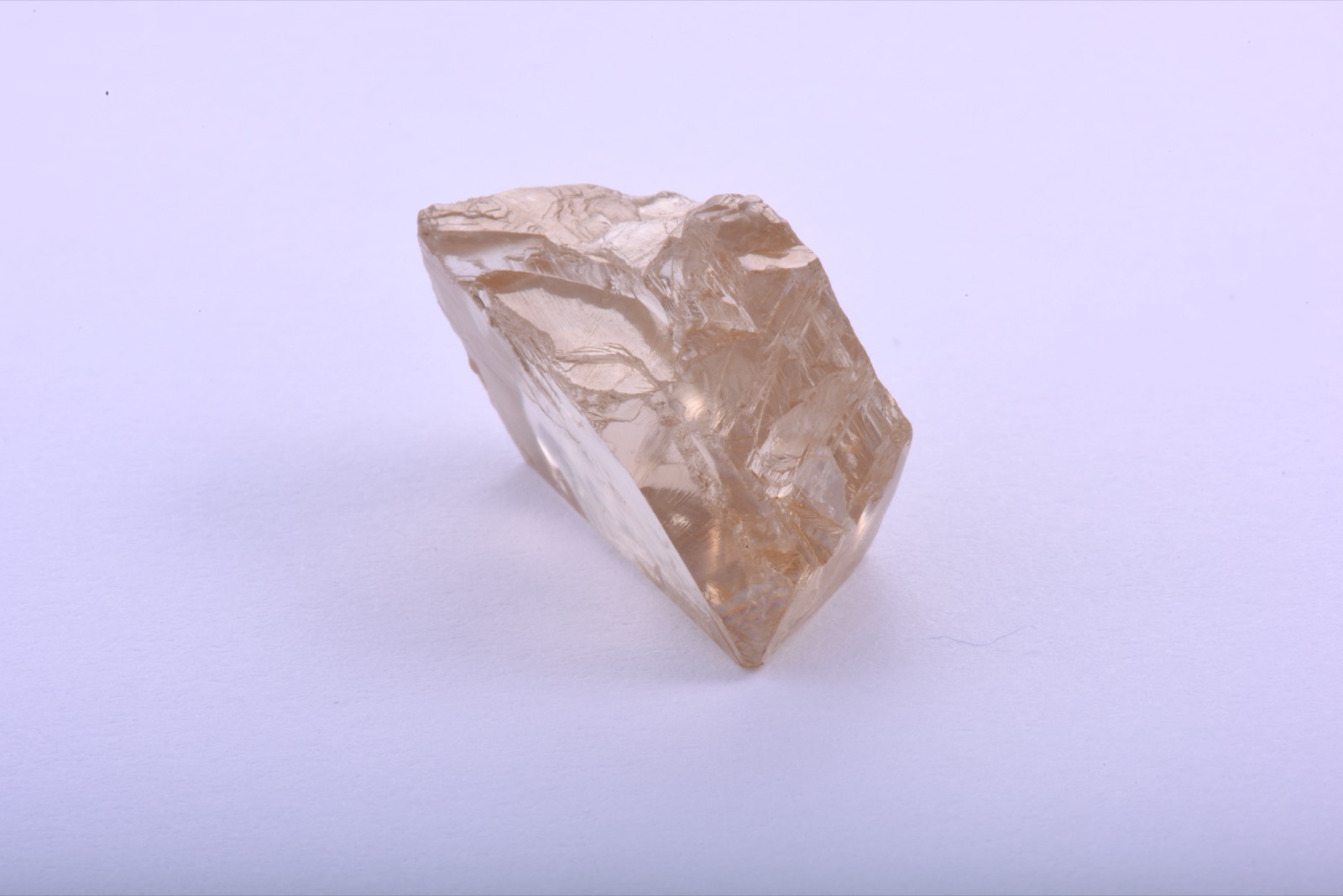
Pricing rough is a more speculative craft than pricing polished, because you are paying not for what the stone is but for what it will become. There are two ways to find the base. You can take the Rapaport polished price and discount the costs the rough still has to absorb — transportation, taxes, cutting and polishing — or you can work from a list built for rough itself, such as the ADTEC list. In practice most dealers write their own rough lists, shaped around the goods they specialise in.
Once the rough is graded, the figure follows the same logic as polished — base price first, then a move up or down — but with an extra weight on the scale. You raise or lower the price keeping in mind what the stone will yield once cut, the costs of getting it there, and the risk the crystal carries: an unseen inclusion, an awkward shape, a flaw that only opens up under the wheel. The finer your grading, the smaller that risk and the more confident the price.
Buying in parcels
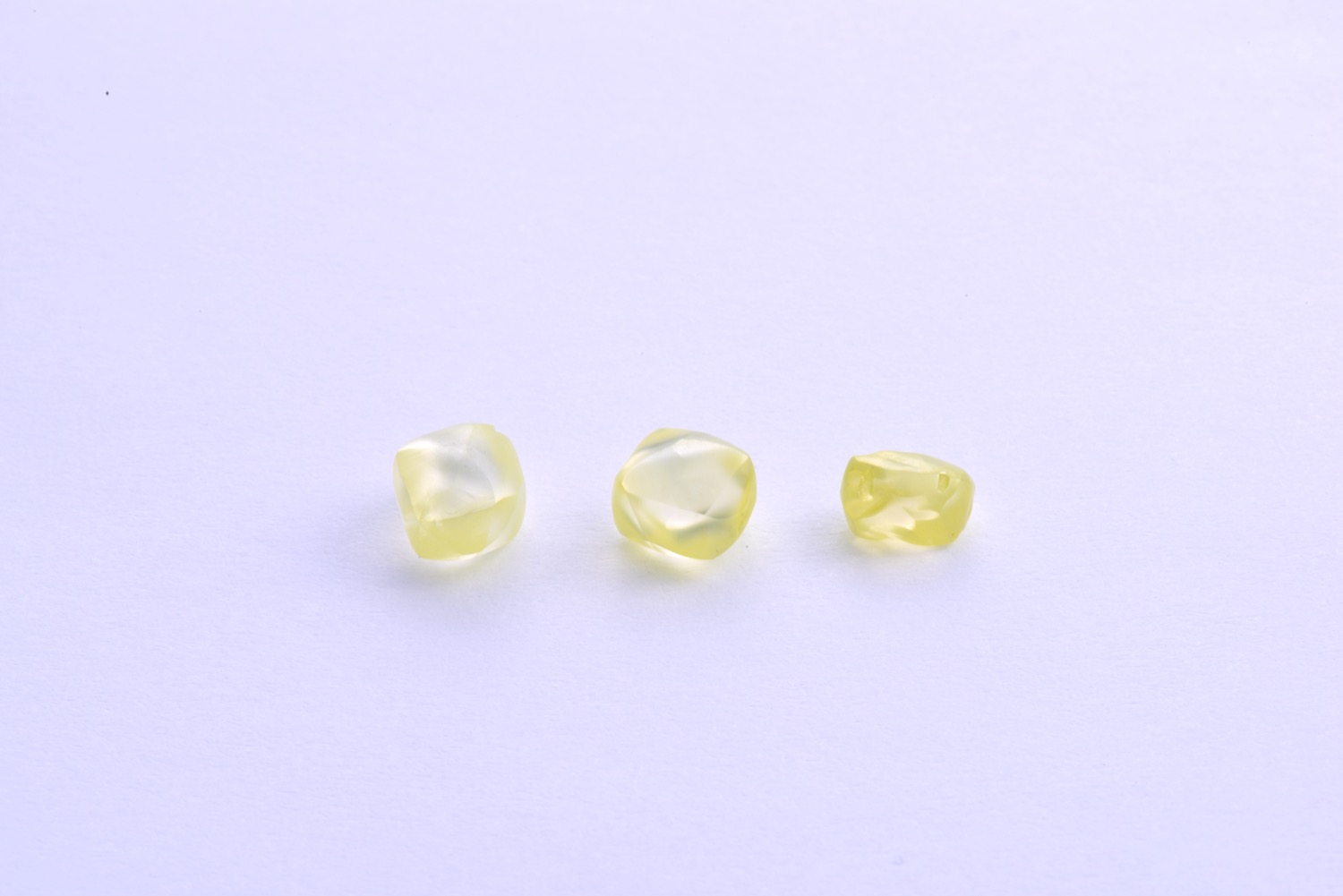
Rough is rarely sold one stone at a time. It comes in parcels, and pricing a parcel is a genuinely demanding exercise. The method is to sort the goods into categories, price each category, and then sum them according to their total carat weight. Every house keeps its own categories — some finely detailed, some broad — but they all work to the same shape.
Here, again, grading skill decides everything. The more accurately you sort the parcel, the more accurate your categories and your prices, and the less you leave to chance across a mixed lot of crystals.
Related reading