The Buyer
Calibrated Diamonds
Stones cut to exact, computer-monitored proportions for jewellery and watch work — and why that precision carries a premium.
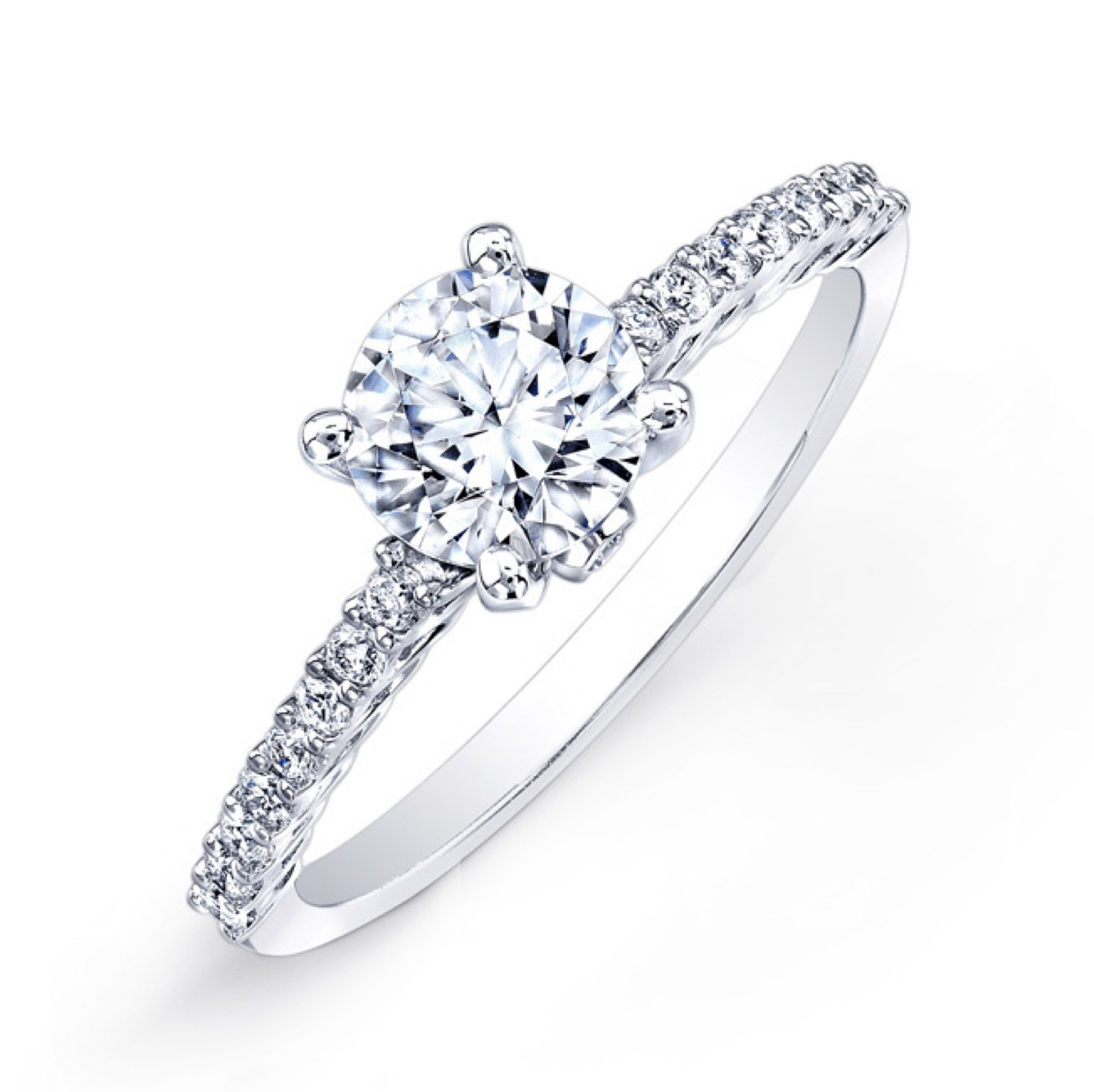
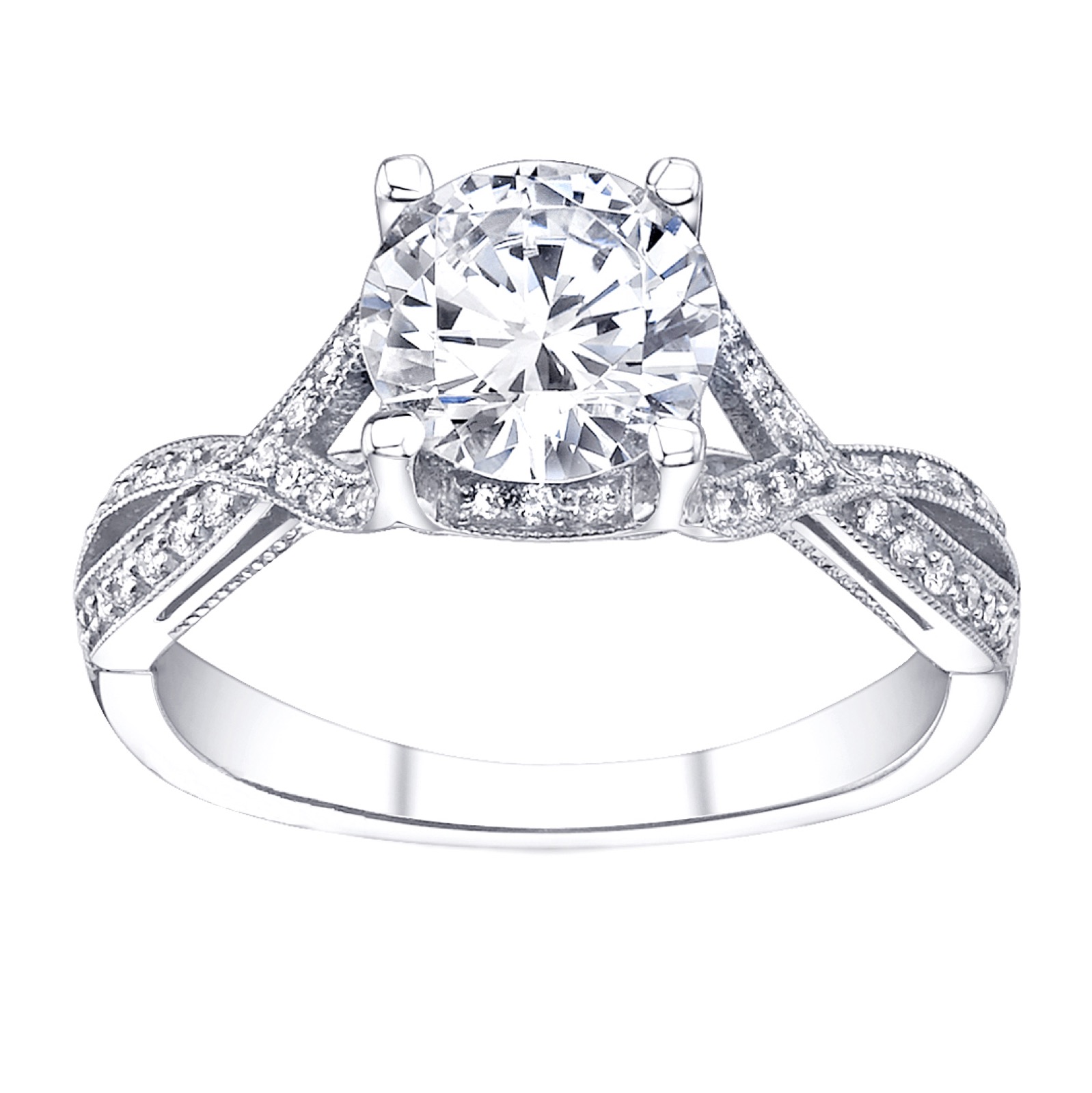
Certain jewellery and watchmaking projects cannot work with stones graded one at a time and matched by eye. A pavé band, a channel set, a dial ringed with melee — each demands diamonds that are not merely similar but identical in their dimensions, so that they seat cleanly side by side and read as one continuous surface of light.
Cut to a specification
These are calibrated diamonds: stones cut with a computer-monitored system to hold the exact same proportions, stone after stone, within tolerances far tighter than ordinary cutting allows. The aim is not the single most brilliant stone but a population of stones that agree — the same spread, the same depth, the same outline, repeated reliably across a parcel.
That consistency is what the setter and the watchmaker pay for. It lets diamonds be placed with machine precision, gives a finished piece its seamless line, and removes the slow, costly work of hand-matching loose goods.
Precision of that order has a price. Because calibrated diamonds are cut to a fixed specification under monitored control — and because holding the tolerance means accepting more waste from the rough — they cost more than equivalent stones cut to standard. In fine jewellery and watchmaking that premium is simply the cost of the exactness the work requires.
Related reading