Jewellery
Ring Manufacturing
From a wax or CAD model to the finished piece — how a ring is actually made.
A finished ring looks effortless, which is precisely the point — the work is meant to disappear into the result. Behind it lies a sequence as old as goldsmithing and as current as the latest software, each step building on the one before. This is how a ring actually comes to be, from a first model in wax to the final breath on the polishing wheel.
Model Making
Every ring begins as a model — a faithful, full-size copy of the piece to come, made in wax or metal. A master jeweller may carve it by hand, working a block of wax with files and gravers until the form is exactly right; or it may be drawn in CAD, designed on screen with precise dimensions and then grown on a 3D printer as a resin or wax pattern. Hand carving carries the warmth and individuality of the maker; CAD brings exactness and lets a design be adjusted, matched or repeated with confidence. Either way, the model is the truth from which everything that follows is taken.
Mould Making & Casting
From the model the workshop makes the metal. The wax pattern is set on a wax “tree”, encased in a flask of fine plaster investment, and the whole is heated in a kiln until the wax burns cleanly away — the lost-wax method, unchanged in principle for thousands of years. Molten gold or platinum is then forced into the cavity the wax left behind, most often by centrifugal or vacuum casting to drive the metal into every detail. Once cool, the investment is broken away and the rough ring emerges, still joined to its sprue, ready to be cut free and cleaned up.
Setting & Assembly
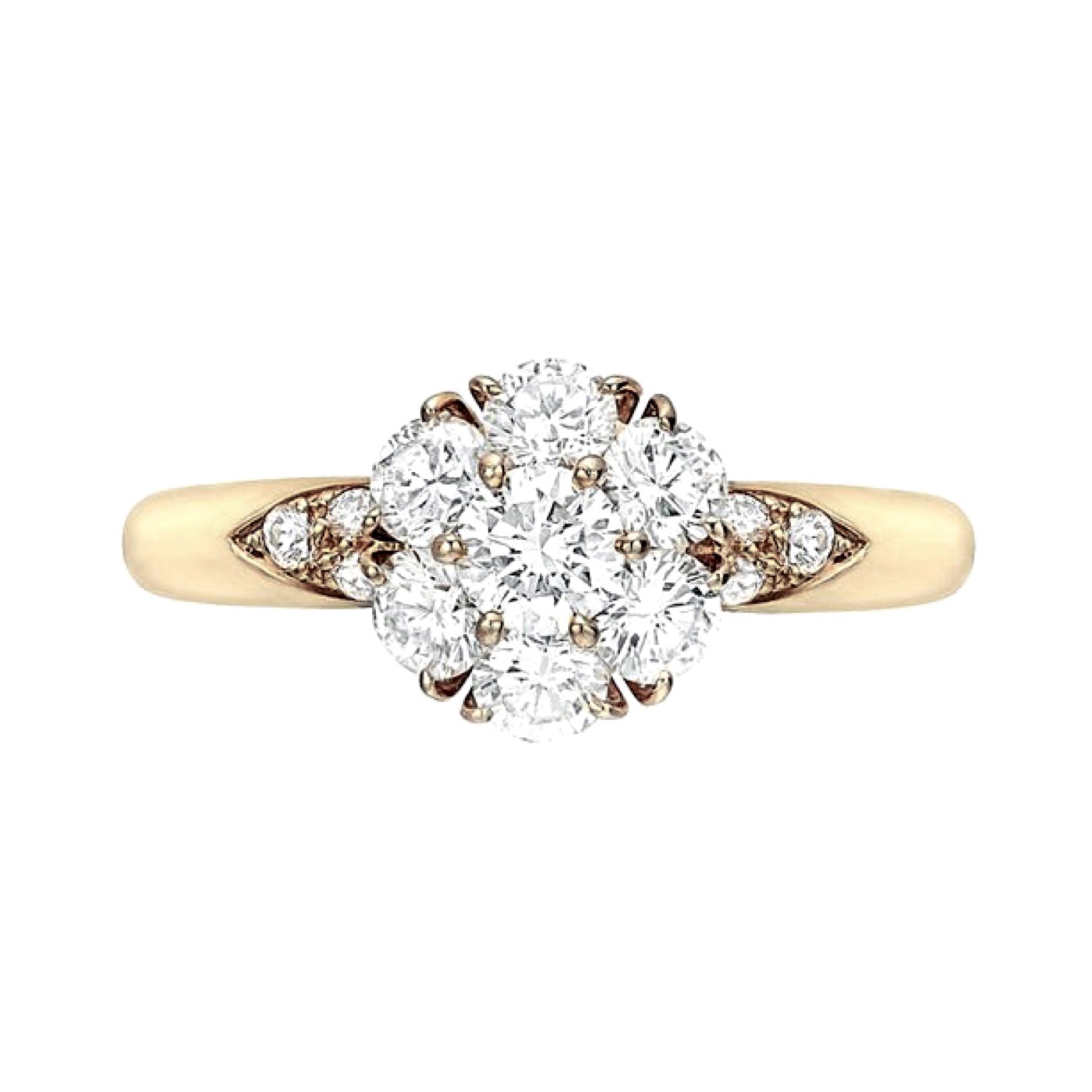
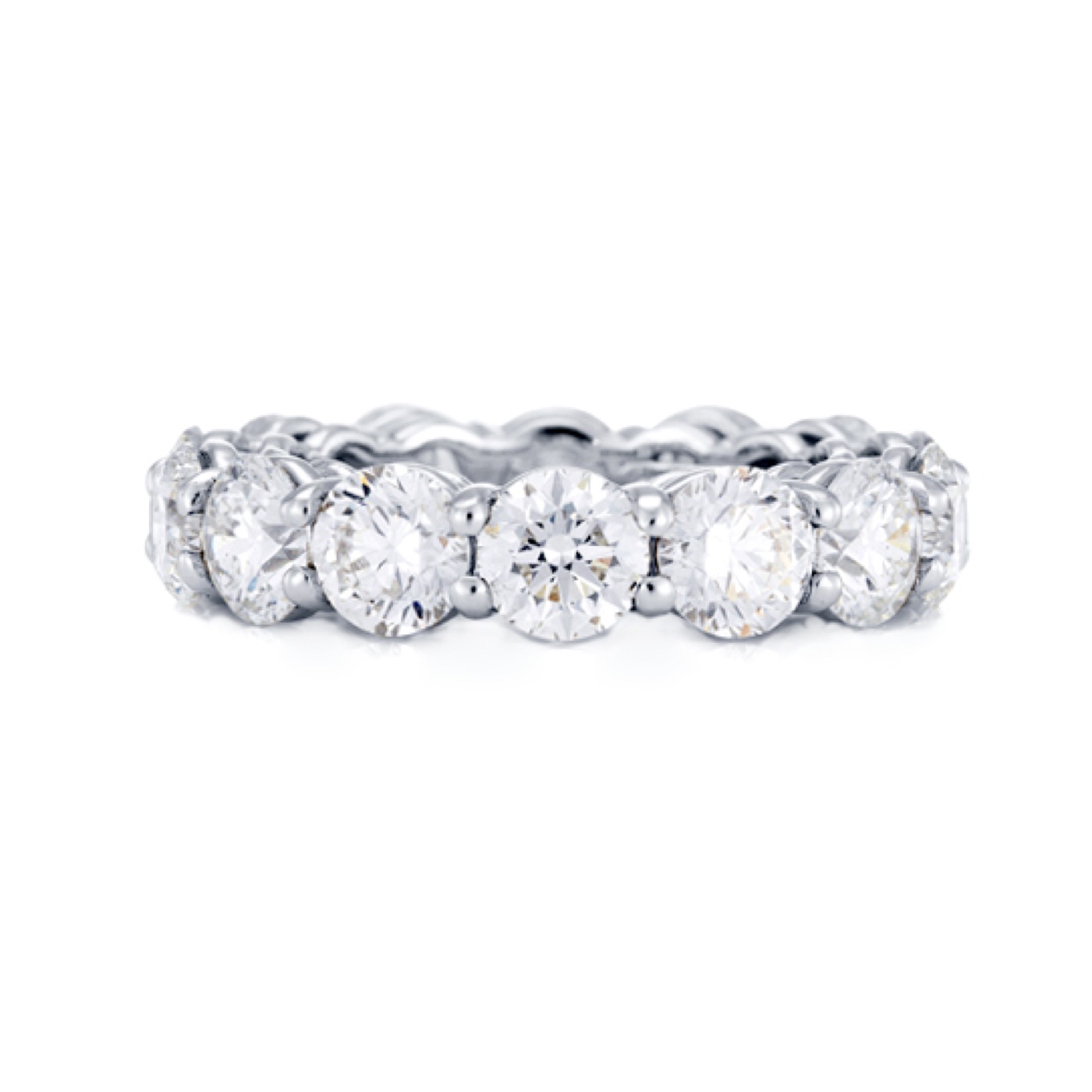
The raw casting is now refined into a ring. Sprues are removed, the form is filed and trued, any component parts are assembled and soldered, and the seats that will hold the diamonds are cut into the metal with precision. Then comes the setting itself — the diamonds placed and secured, claws bent down over the girdles, bezels burnished tight, channels and pavé worked stone by stone. This is the most exacting stage of all, and the one on which the security and the brilliance of the finished ring most depend.
Polishing & Finishing
Last, the ring is brought to its final surface. It is worked through successively finer abrasives and polishing compounds until the metal reaches a clear, deep shine, or is given a matte, brushed or hammered texture where the design calls for it. The piece is cleaned, often ultrasonically, and given a final inspection — every claw checked, every stone seated, every surface true — before it leaves the workshop as the ring it was drawn to be.
Related reading