Jewellery
Setting Types
Prong, bezel, tension, channel and more — how the stone is held, and what each setting gives and asks.
A setting is the quiet decision behind a ring. It is how the diamond is held — but it is also how much light is allowed to reach the stone, how exposed it sits, and how the piece will wear across a lifetime. Every setting strikes the same bargain in a different place: the more metal that touches the stone, the safer it is, and the less light moves through it. The art is in choosing where on that line a ring should sit.
Prong
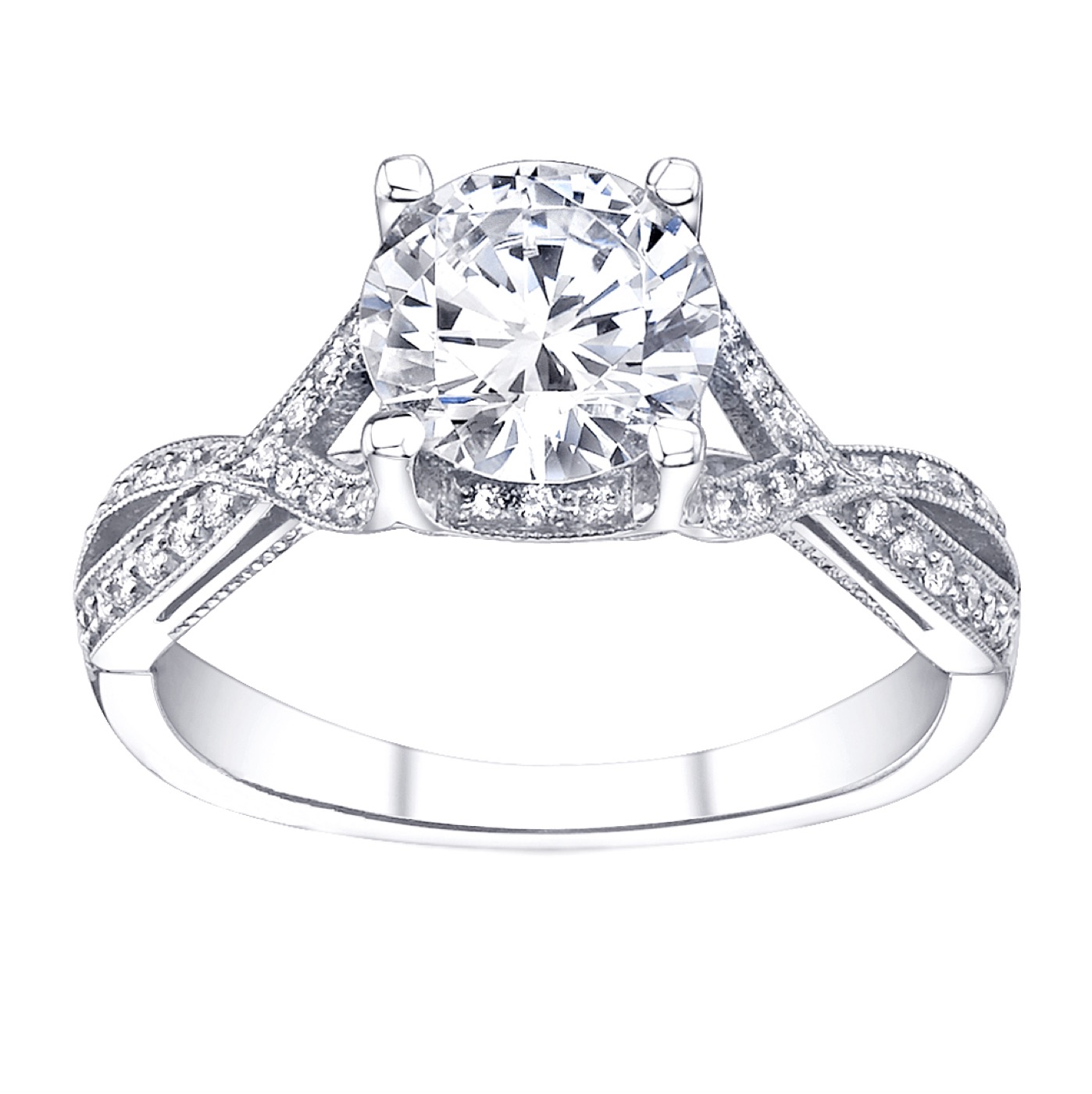
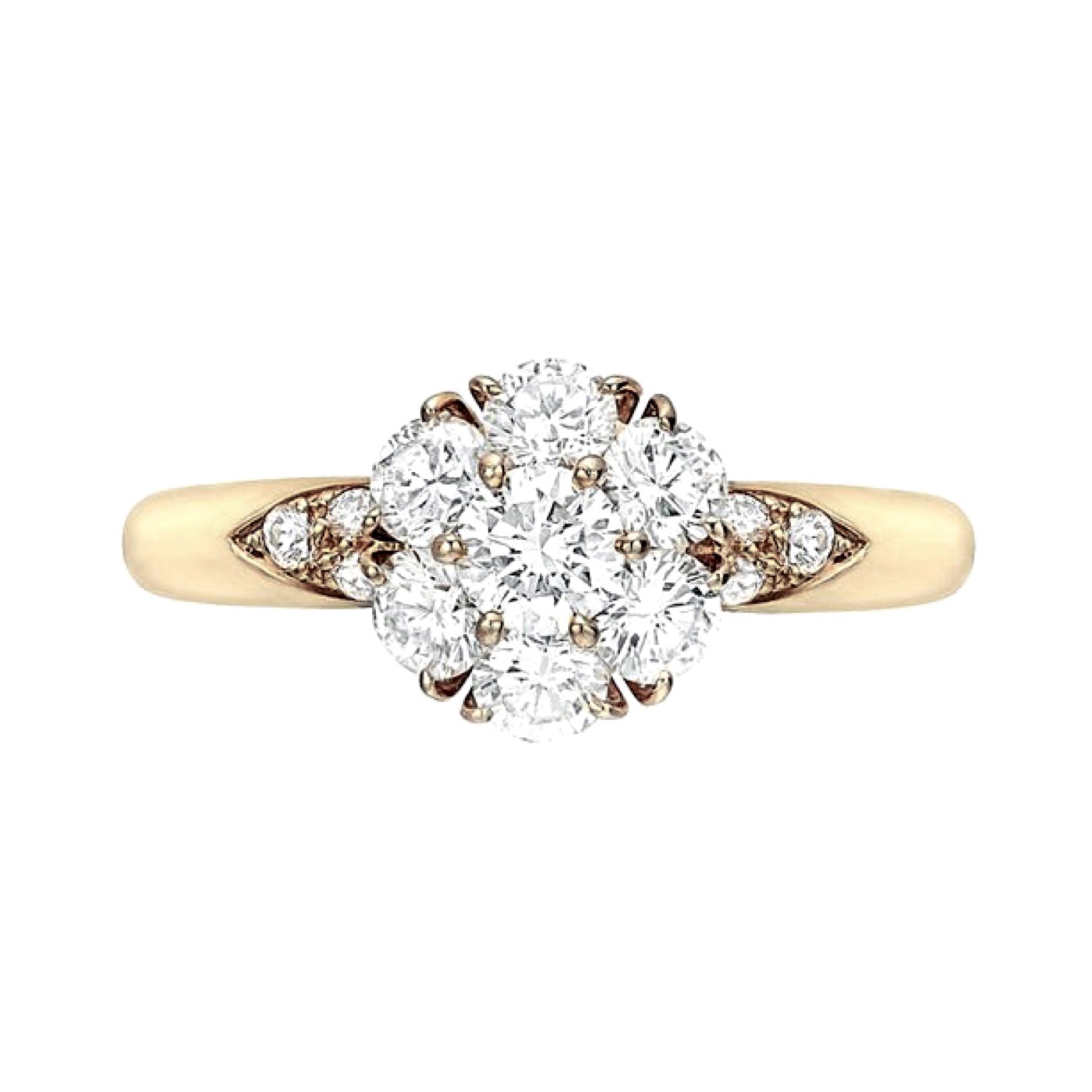
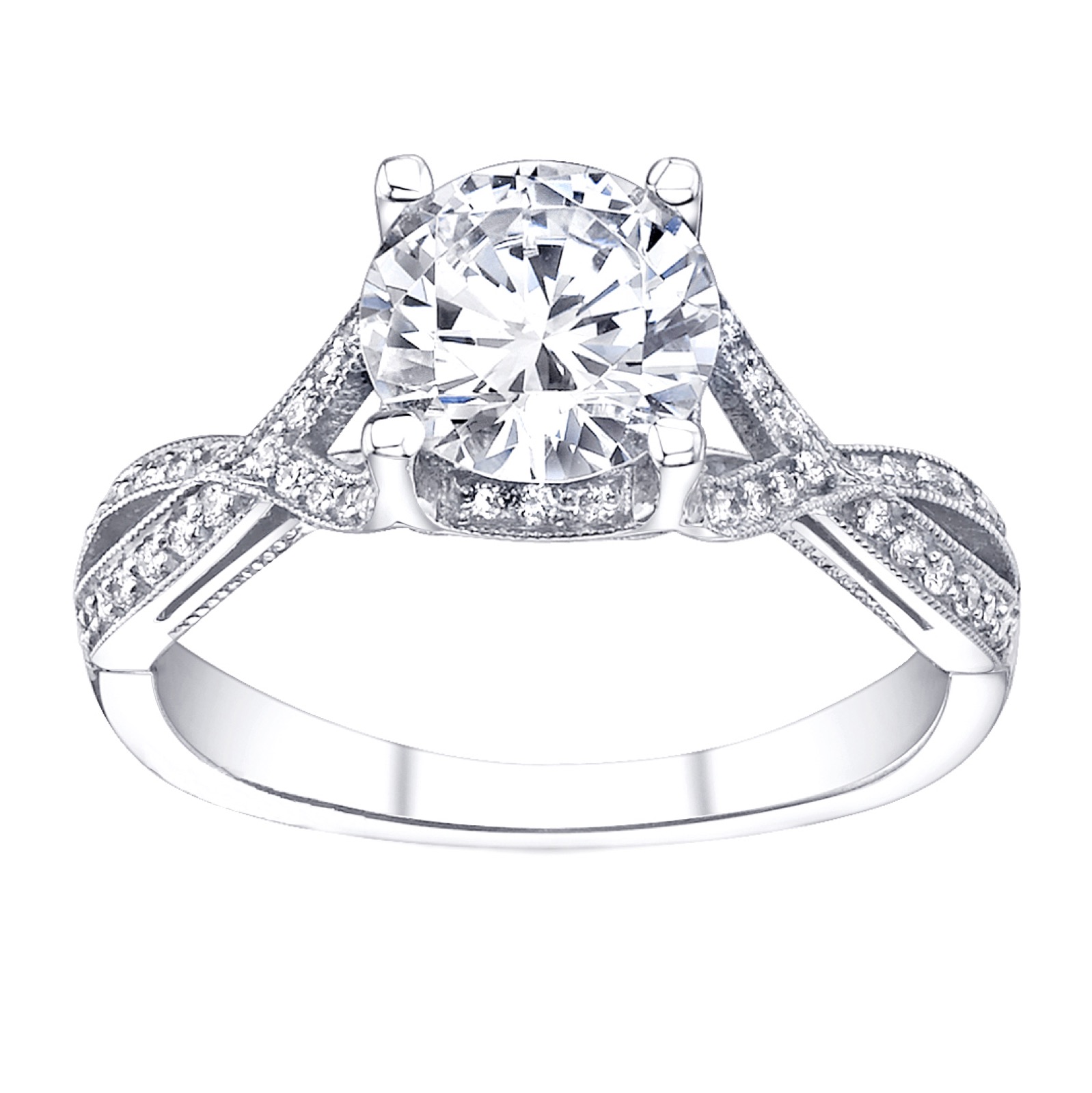
The prong, or claw, setting holds the diamond aloft on fine metal fingers — most often four or six — gripping the stone just above the girdle. It is the most open of all settings: light enters from almost every angle, and the diamond appears to float above the band. Four claws read squarer and let in more light; six hold more securely and lend a rounder, fuller look. The trade is exposure — a lifted stone catches the most fire, but also sits most in harm’s way, and the claws ask to be checked over the years.
Bezel
A bezel encircles the diamond with a continuous rim of metal that follows the girdle all the way round. It is the most protective setting of all: the edges of the stone are shielded, nothing snags, and the ring wears beautifully for an active life. The cost is light — with metal wrapping the perimeter, less enters from the side, so a bezel-set stone reads a touch quieter than the same diamond on claws. The look is clean, modern and architectural, and the silhouette can be softened with a half-bezel that leaves the stone open at its shoulders.
Tension
In a tension setting the diamond is held by the spring of the metal alone, gripped between two ends of the band so that it seems to hang in mid-air with no visible support. The effect is extraordinary — the stone appears almost to float — and light reaches it from nearly every direction. It is a feat of precise engineering: the band is calibrated to the exact dimensions of the stone, which makes resizing and any change of diamond a considered undertaking. Held under constant pressure, the setting is in fact remarkably secure, but it is the most exacting to make.
Channel
A channel setting sinks a row of diamonds between two parallel walls of metal, the stones sitting flush and edge to edge with no claws between them. The walls protect the girdles and present an unbroken line of light running the length of the band — a favourite for wedding bands and for the shoulders of an engagement ring. Because the metal carries the stones from the sides rather than the top, the surface stays smooth and snag-free, at the cost of a little of the brilliance an open setting would allow.
Twist
In a twist setting two strands of metal cross beneath the diamond and carry up around it, lending the ring a sense of movement and lift. The stone is held where the strands meet, raised into the light, while the crossing band draws the eye upward and around. It is among the most expressive settings — quietly sculptural rather than symmetrical — and it keeps the stone well open to the light, with security resting on the points where the strands embrace it.
Bar
A bar setting holds diamonds between short vertical bars of metal set at right angles to the band, so each stone is gripped on two sides and left open at top and bottom. It is a cousin of the channel, but where the channel encloses, the bar reveals: the open ends let light flood in from above, and the rhythm of metal and stone gives the band a graphic, contemporary line. The stones sit more exposed than in a channel, the gain a noticeably brighter row of light.
Related reading