The Buyer
Pricing
A diamond is worth what someone will pay for it — yet every week the trade publishes the lists that turn that truth into a number.
The price of a diamond is one of the clearest illustrations of supply and demand there is: a stone is worth only what someone is willing to pay for it. To keep that principle orderly, the trade publishes official price lists every week — a shared reference against which buyers and sellers the world over calibrate their numbers.
But a list is only a starting point. If every diamond carries a price, the accuracy of the price you give it will always depend on how good a grader you are. Misread the colour, miss an inclusion under the table, and the figure you arrive at is wrong before you begin. For the buyer unwilling to carry that risk, the answer is simple: have the stone certified by a laboratory you trust before you agree a price.
How VHENY prices
The methods that follow across these pages are drawn from our own experience at the bench and the table. They are not the only ways to price a diamond — no single method is — but they are sound, and they are how the house works.
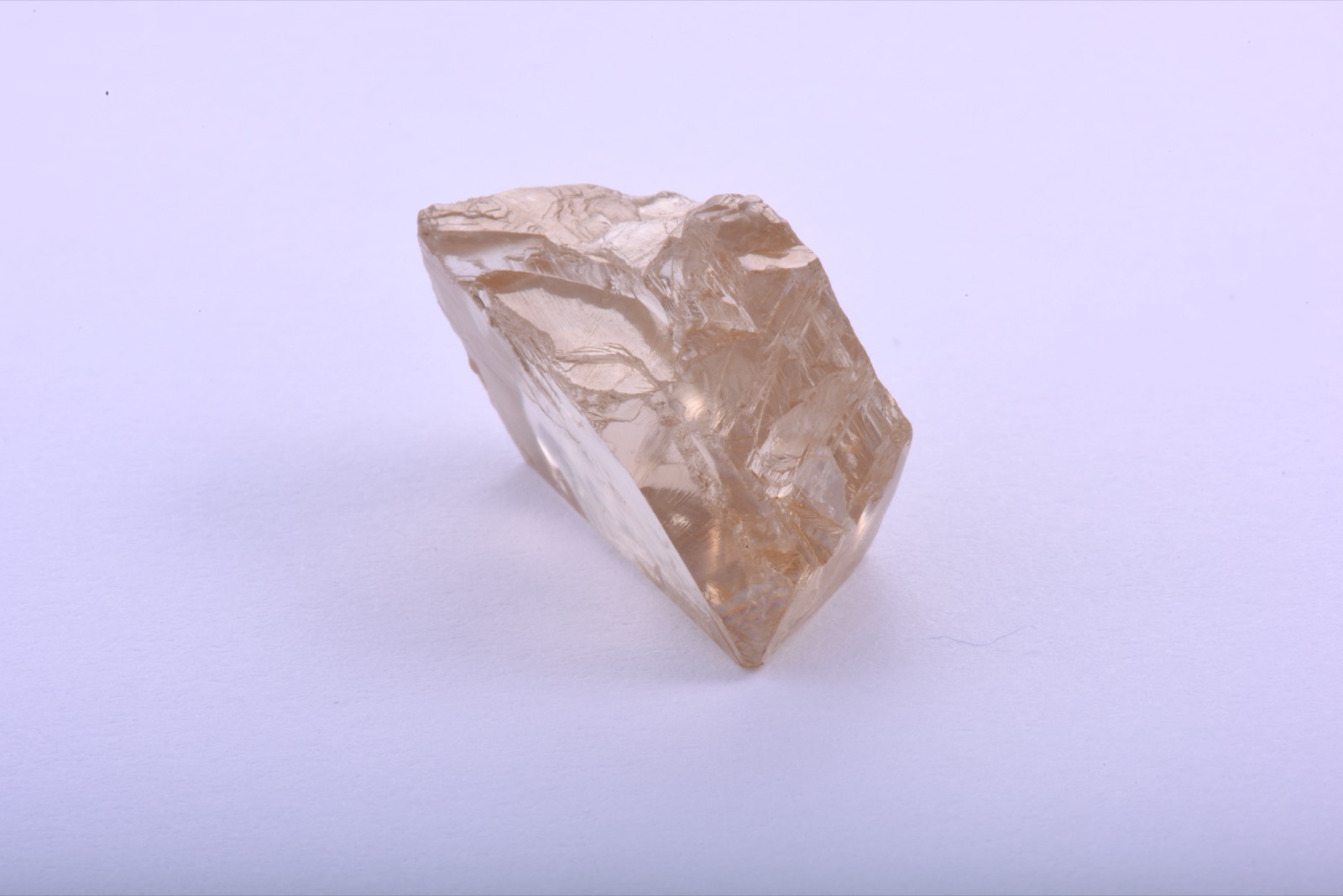
VHENY prices polished stones against the Rapaport list, the trade’s most widely used reference, and sells wholesale. Round diamonds price differently from fancy shapes; rough is a discipline of its own; and the largest and rarest stones leave the list behind entirely. Each is taken in turn in the articles alongside this one.
Related reading