Fancy Colours
Colour & Intensity
The ladder from Faint to Fancy Vivid — and why intensity, more than size, decides a coloured diamond's worth.
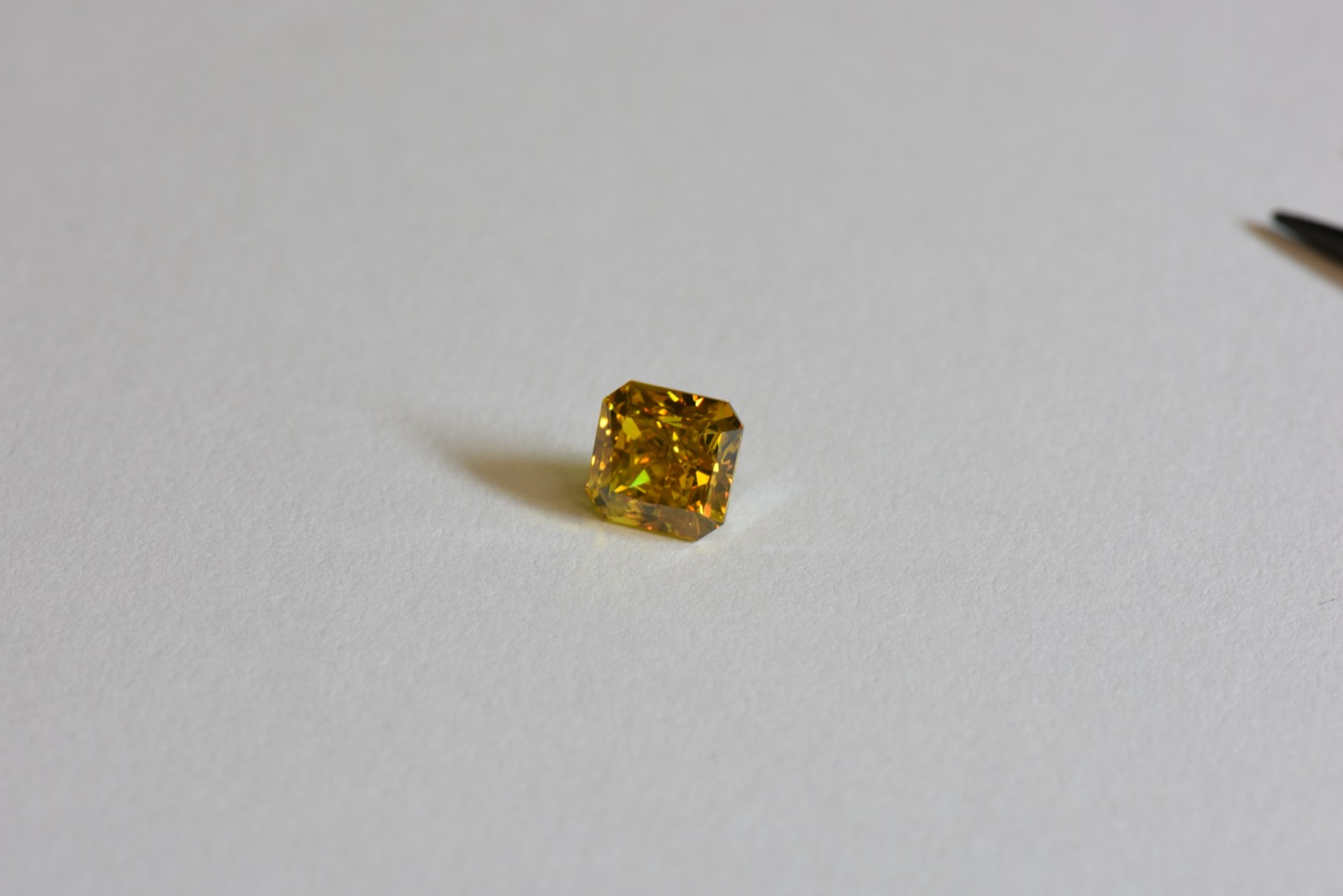
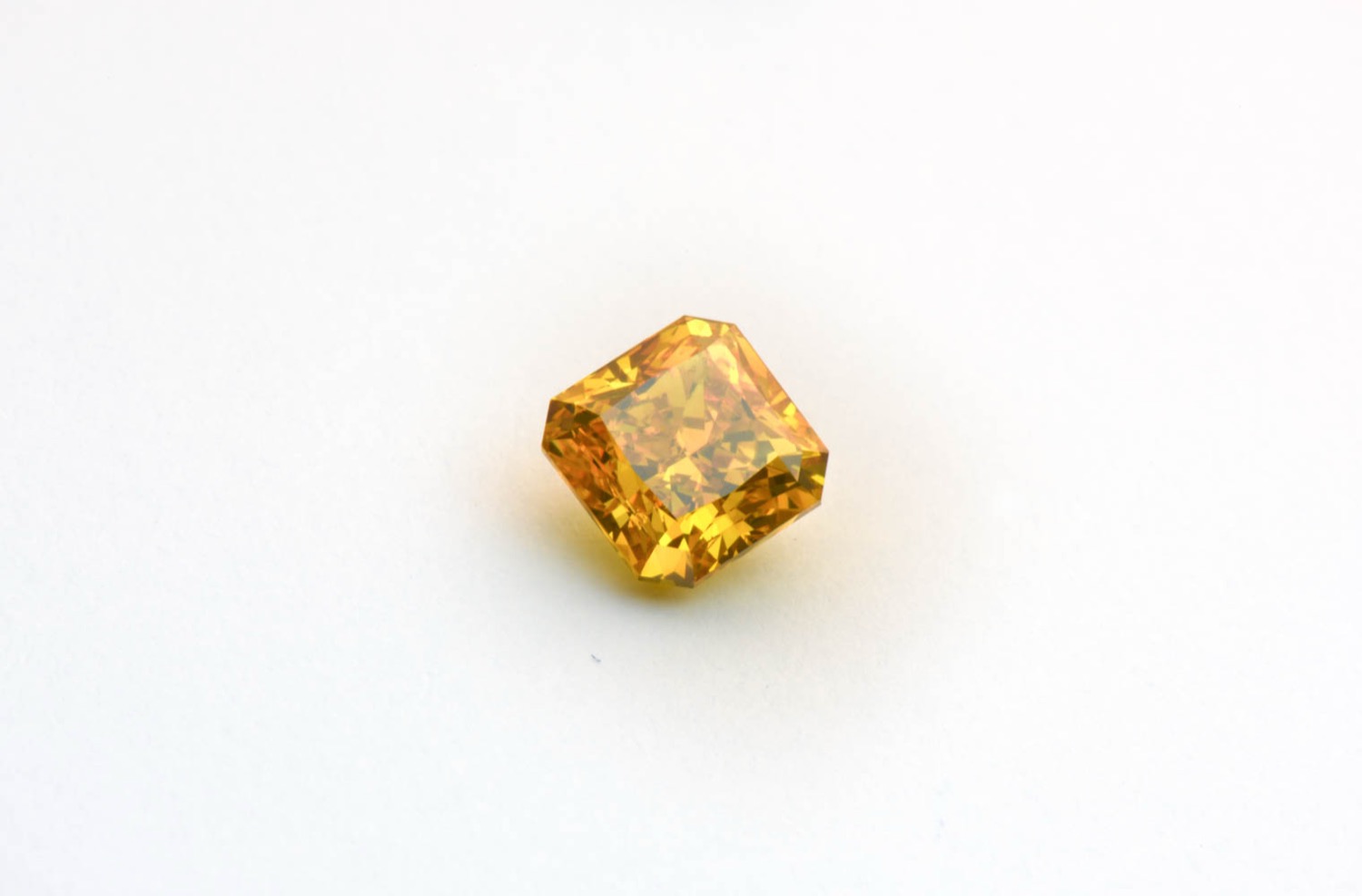
A fancy diamond is described by three things working together: its hue — the colour itself; its tone — how light or dark that colour reads; and its intensity — how deeply the colour saturates the stone. Of the three, intensity is what the trade watches most closely, because it is the difference between a stone that whispers its colour and one that announces it.
The intensity ladder
GIA grades fancy colour on a ladder that runs from the faintest trace to the most saturated, vivid expression of a hue:
| Grade | Saturation |
|---|---|
| Faint | Barely perceptible colour |
| Very Light | Slight, delicate colour |
| Light | Clearly present but gentle |
| Fancy Light | Soft, attractive colour |
| Fancy | Full, characteristic colour |
| Fancy Intense | Strong, saturated colour |
| Fancy Deep | Rich and dark |
| Fancy Dark | Deep with greater tone |
| Fancy Vivid | The purest, most saturated of all |
The same hue can sit anywhere on this ladder. A Fancy Light yellow and a Fancy Vivid yellow are the same colour by name — but worlds apart in presence, in rarity, and in price.
Why intensity outweighs size
With colourless diamonds, carat weight tends to drive value sharply. With fancies, the order of importance shifts: a smaller stone of exceptional intensity will routinely outvalue a larger one of weaker colour. The strongest saturations — Fancy Vivid above all — are the rarest to occur in nature, and it is rarity, not size, that sets the price of a coloured diamond.
Tone and hue temper the picture. A hue that reads too dark or too greyed loses appeal even at high saturation, while a pure, clean colour at full intensity is the most coveted combination of all. The grader’s task is to weigh the three together and find the single description that captures the stone.
Related reading