The Miner
Diamond Deposit Types
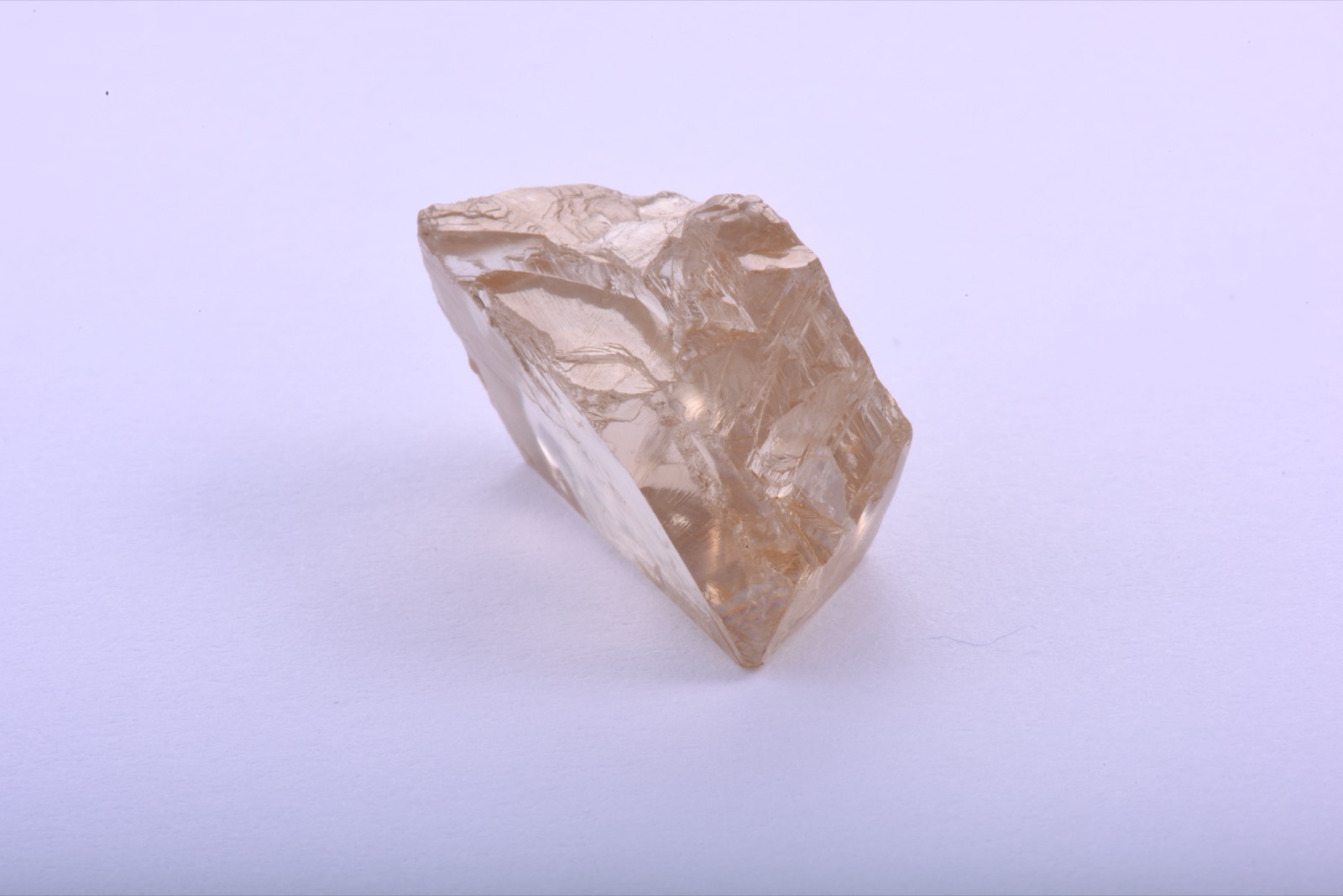
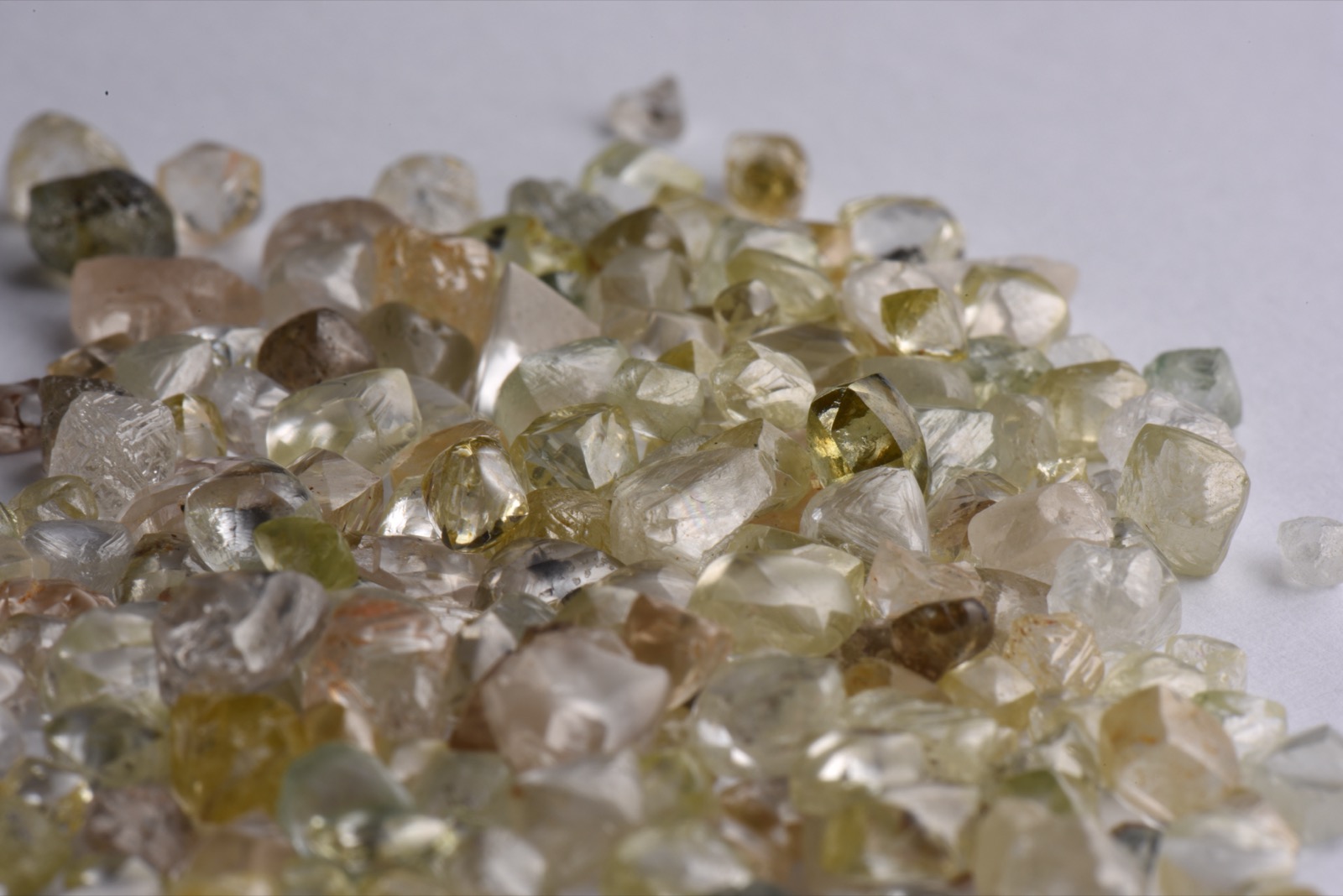
Primary kimberlite pipes and the secondary alluvial deposits the rivers carried them to.
As the ancient continents drifted apart and reassembled in new arrangements, the kimberlite pipes that carried diamonds upward were scattered across the globe. Today seven countries account for some 80% of world production: Australia, Zaire, Botswana, South Africa, Russia, Namibia and Angola.
Primary deposits
A primary deposit is a diamond found where it arrived — the kimberlite chimney itself, the original vehicle that conveyed the crystal from the depths to the surface. Mine a primary deposit and you are working the rock that the diamond travelled in, undisturbed since the eruption that placed it there.
Secondary deposits
Over millions of years, weather breaks kimberlite down. As the rock decomposes, the diamonds locked inside it are released and carried away by water, sea or wind — fluvial, marine and aeolian transport. Wherever they come to rest, they form a secondary deposit.
Here the diamond’s own density does the sorting. With a specific gravity of 3.52, a diamond is markedly heavier than the sand and gravel around it, so it tends to settle out where a current slackens. Stones recovered this way are known as alluvial diamonds.
| Deposit | Where the diamond sits | Name |
|---|---|---|
| Primary | In the kimberlite pipe of its origin | Pipe diamond |
| Secondary | Moved by water, sea or wind from the pipe | Alluvial diamond |
| Tertiary, quaternary… | Re-transported again from a secondary bed | Alluvial diamond |
A diamond need not stop at a single move. A secondary deposit can itself be eroded and the stones shifted onward into tertiary, quaternary and further beds — each step a fresh journey, sorting the heaviest, soundest crystals out as it goes.
Related reading