The Grader
Shapes
Ten classic outlines, each with its own character — from the classic round brilliant to the romantic cushion and the dramatic marquise.
Diamonds come in many shapes. Shape is the outline — round, square, pear; cut is how the facets are arranged within it. At VHENY we like to pair each shape with a character, a quiet shorthand for the mood it carries.
-
Round
Classic
-
Princess
Trendy
-
Emerald
Glamour
-
Asscher
Vintage
-
Cushion
Romantic
-
Marquise
Dramatic
-
Oval
Innovative
-
Pear
Unique
-
Radiant
Diva
-
Heart
Sentimental
Round Brilliant
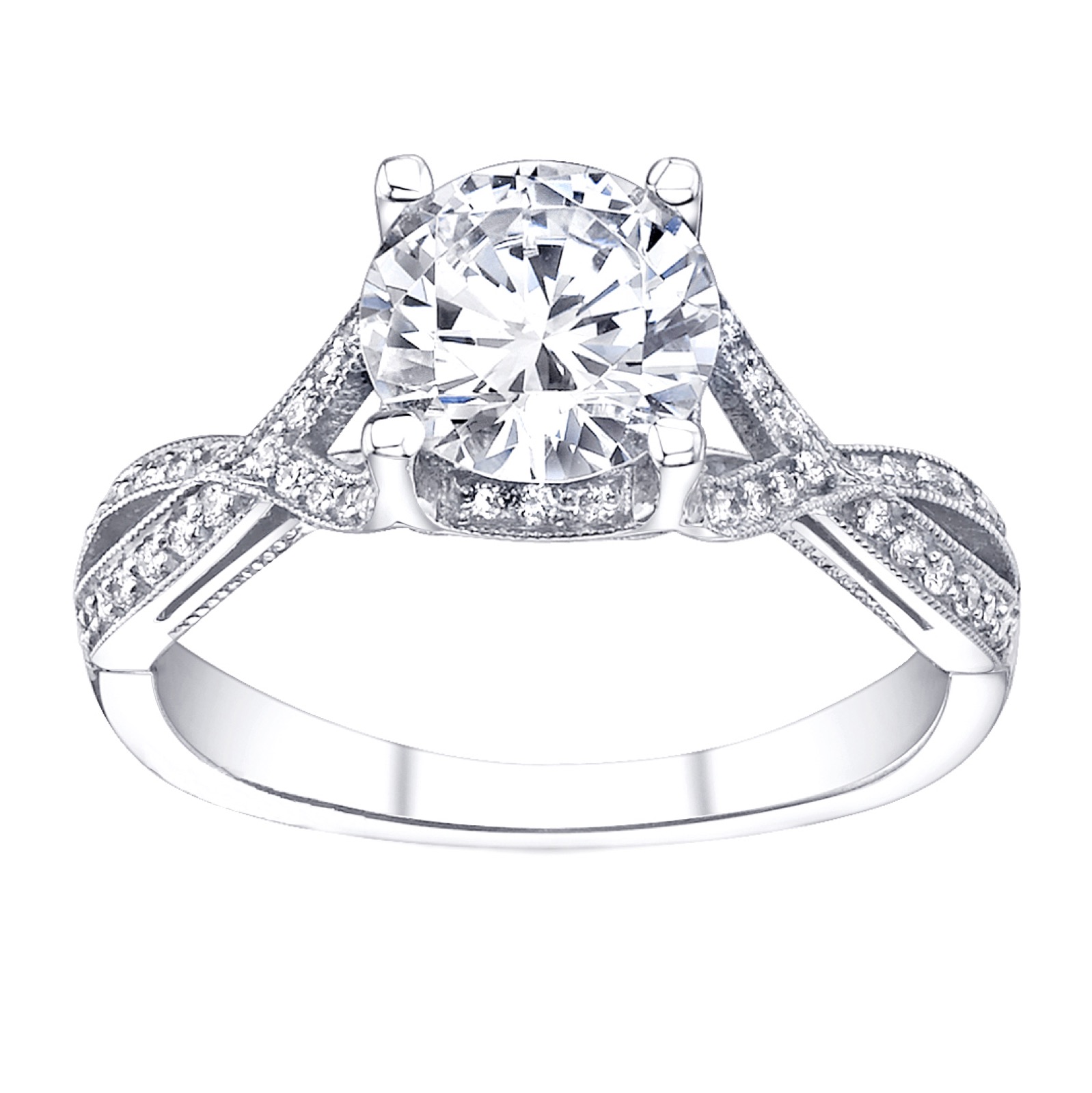
The most familiar outline of all, and the one against which every other is measured. Its modern geometry dates to 1919, when Marcel Tolkowsky calculated the proportions of a 57-facet round to draw the greatest possible brilliance and fire from the stone. Roughly three diamonds in four sold today are cut this way. A round conceals nothing, so the single C that governs it is Cut.
Princess
A square face that marries the sparkle of a brilliant with the clean geometry of a step cut. It emerged in the 1960s and has remained a modern favourite ever since. One practical virtue follows from how it is cut: a round brilliant must surrender close to half the rough crystal to reach its proportions, while a princess sheds only about a fifth — so a given budget translates into a visibly larger stone, which makes its C Carat. Its four points are vulnerable, so see that the setting shields each corner.
Emerald
A step cut of long, measured lines and quiet glamour. The form was first devised for emeralds, and its broad, open facets read like windows — they let the eye travel deep into the stone. That openness leaves nowhere for flaws to hide, so an emerald asks for high Clarity.
Asscher
Often described as a square emerald, this cut was the work of the Asscher Brothers of Holland in 1902. Its stepped facets fall away towards the centre in concentric squares, a look that defined the 1920s and has returned to favour today. With so little to distract the eye, Cut, Clarity and Colour each have their say.
Cushion
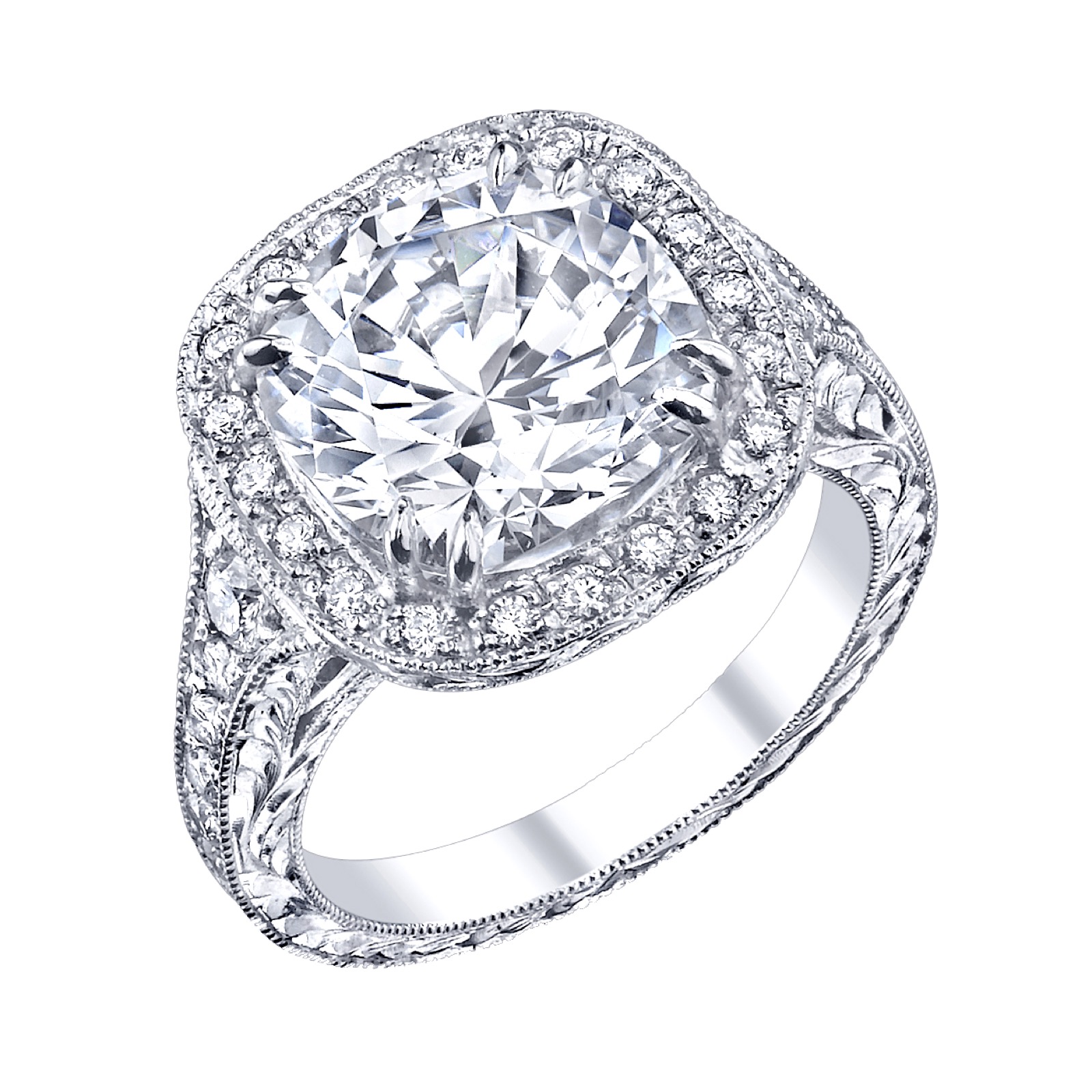
A soft-cornered square that feels both classic and romantic, sitting somewhere between the antique Old Mine cut and the oval. Its broad, open facets are central to its charm — but they also lay any inclusion bare, which is why Clarity earns close attention here.
Marquise
A long, pointed outline with no shortage of romance: legend has it the shape was commissioned by Louis XV to mirror the smile of the Marquise de Pompadour. Built as a modified brilliant, it lives or dies by its proportions and symmetry, so the C to mind is Cut.
Oval
A graceful, elongated take on the brilliant — all the fire of a round, drawn out into a more contemporary silhouette. Like every modified brilliant, its sparkle rests entirely on the precision of the Cut.
Pear
Also known as the pendeloque, a teardrop that joins a rounded base to a single point. Its ancestry reaches back to 1475 and the Scaif, the first wheel ever used to grind and polish diamonds. The shape is endlessly versatile, but a careless cut can throw a faint bow-tie shadow across the centre, so the C to watch is Cut.
Radiant
The handiwork of Henry Grossbard, who introduced it in 1977 as a spirited blend of the emerald step cut and the round brilliant — 70 facets and trimmed corners that throw off real fire. It carries itself like a diva, and because it is seen less often it can offer good value for the carat.
Heart
The most openly sentimental of all the shapes. It follows no fixed formula, so proportion is everything: a heart cut too plump or stretched too thin loses its grace at once.
Related reading