Facts & Figures
The Earth
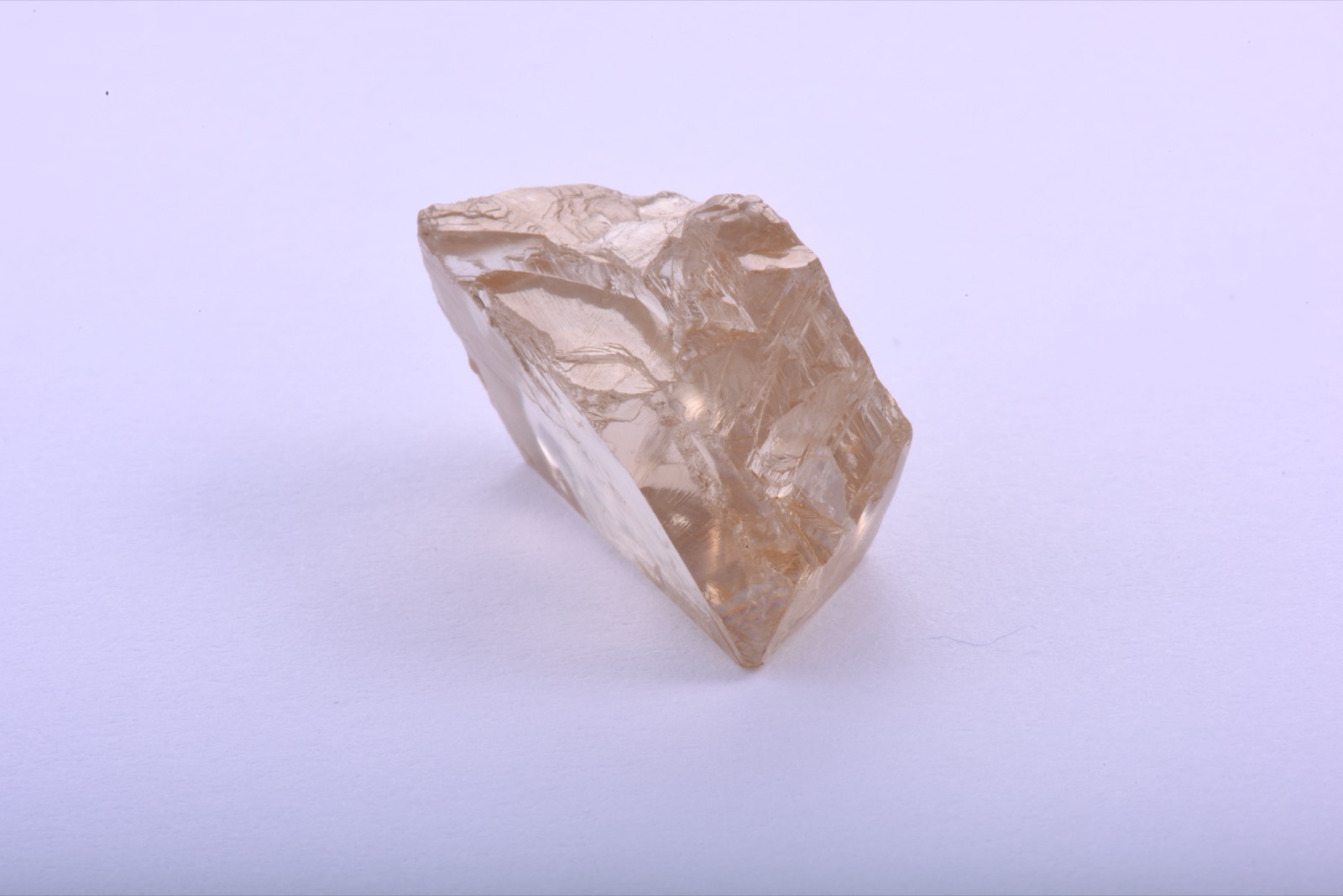
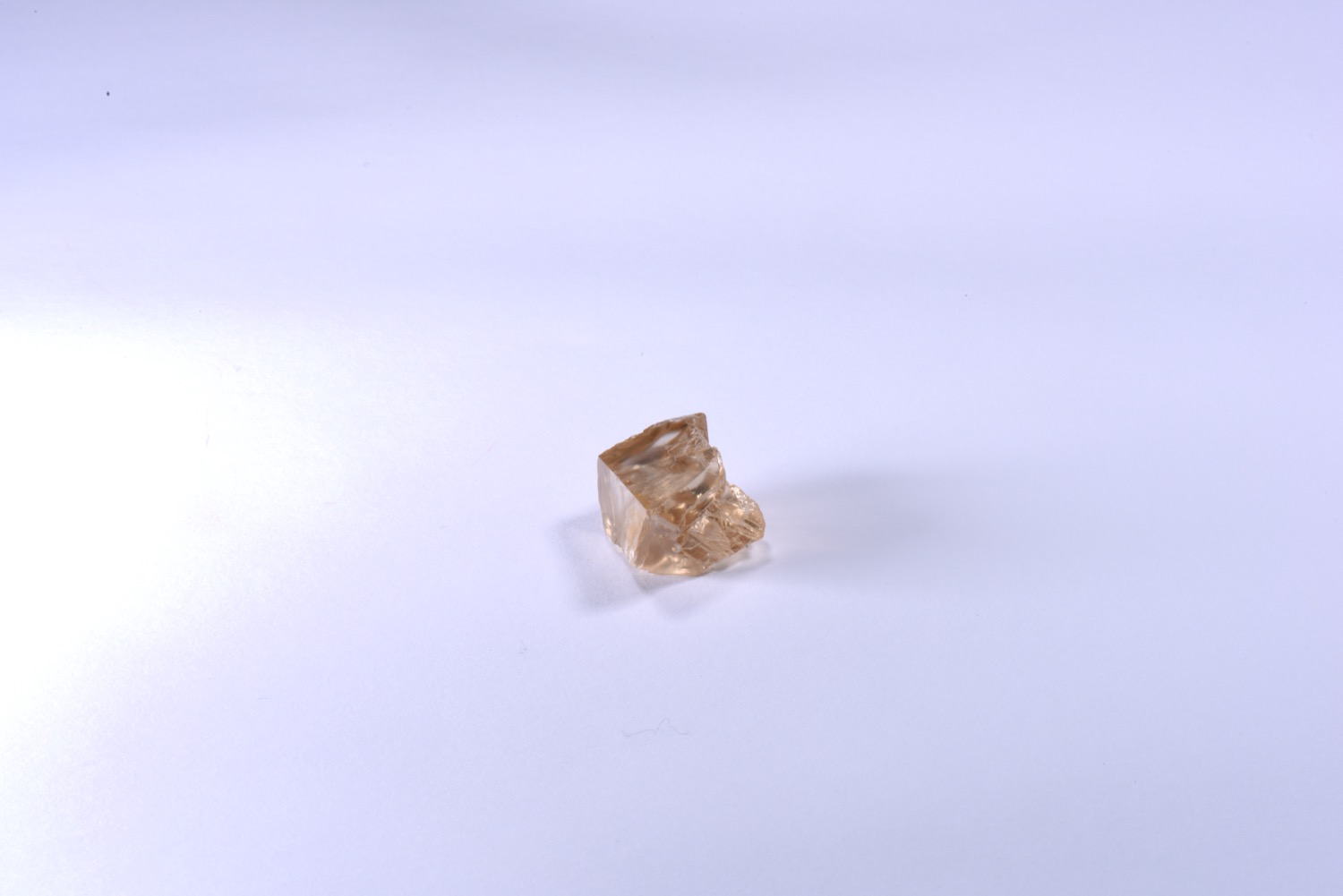
Crystallised in the mantle under crushing heat and pressure, then flung to the surface by eruptions the earth can no longer summon.
The prevailing account places a diamond’s birth in molten rock as it slowly cools — the carbon crystallising while the temperature sits somewhere around 1,300°C and the surrounding pressure bears down at roughly 70,000 atmospheres. Such an environment exists nowhere near the surface; you have to go down between 130 and 200 kilometres, into the mantle that feeds an active volcano, before the figures align.
What follows is less a journey than an escape. A diamond reaches daylight only when an eruption is violent enough to tear a channel straight up through the crust — the vertical shafts of rock that miners know as pipes, some of them anywhere from 100 million to 1.2 billion years in age. Speed is everything on the way out: linger in the heat and the stone simply reverts to graphite, so only the fastest, most abrupt eruptions deliver an intact crystal. The earth no longer convulses with that kind of force. Each diamond we hold, then, is a relic of a planet that has since fallen quiet.